

























































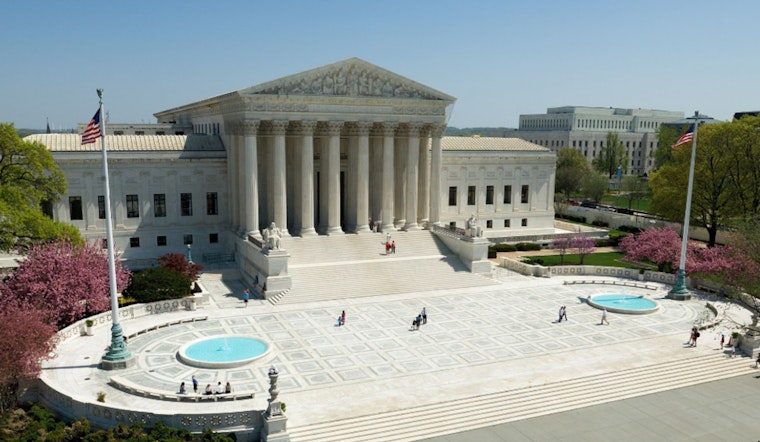
The U.S. Supreme Court on April 22 opened the door for a wounded Army veteran to press negligence claims against defense contractor Fluor Corporation over a 2016 suicide bombing at Bagram Airfield. Former Army Specialist Winston Hencely, who confronted the bomber and was left with severe brain injuries and lasting disabilities, can now move ahead with state-law claims that lower courts had previously shut down.
In a 6-3 decision, the justices tossed out the Fourth Circuit’s sweeping "battlefield preemption" rule and sent the case back for another round in the lower courts, according to WBAL NewsRadio. The ruling does not decide whether Fluor was actually negligent, but it does clear away a major legal shield the company had relied on to avoid trial.
What Happened at Bagram
In November 2016, an Afghan national, Ahmad Nayeb, who had been hired under the military’s "Afghan First" program, slipped into a Veterans Day 5K run at Bagram Airfield wearing a suicide vest. He detonated the device, killing five people and wounding more than a dozen others.
Hencely confronted Nayeb moments before the blast and was gravely injured. He suffered a fractured skull, traumatic brain injury, seizures and a significant loss of use of the left side of his body.
The Army’s investigation after the attack sharply criticized Fluor’s supervision. Investigators found that Nayeb was not properly escorted or monitored on base and that he was able to check out tools later used to build the bomb, according to the Supreme Court.
How the Court Framed the Law
Justice Clarence Thomas wrote the majority opinion, joined by Justices Sonia Sotomayor, Elena Kagan, Neil Gorsuch, Amy Coney Barrett and Ketanji Brown Jackson. The Court said the Fourth Circuit "erred" when it held that state-law claims are preempted whenever they arise from a battlefield context, even if the federal government neither ordered nor authorized the contractor’s specific conduct.
The opinion drew a line between this case and earlier precedents like Boyle and Yearsley. In the majority’s view, state tort law gives way only when a contractor is doing exactly what the federal government required it to do. If a company allegedly went off-script, state-law negligence claims can proceed, as explained in the case summary on Justia.
What Comes Next
With the high court’s ruling, Hencely’s negligent-supervision, negligent-entrustment and negligent-retention claims now return to the lower courts to be fought over on the merits. That means the case is likely headed into detailed, often messy discovery about Fluor’s hiring, vetting and on-base supervision of Afghan workers.
Those inquiries could reach into sensitive operational records and internal procedures governing contractor behavior on active military installations, according to reporting from Stars and Stripes.
Dissent Warned of Military Intrusion
Justice Samuel Alito, joined by Chief Justice John Roberts and Justice Brett Kavanaugh, dissented. He argued that allowing state tort suits like Hencely’s risks dragging courts and juries into second-guessing how the federal government runs warzones.
Alito warned that state regulation in this area could collide with the federal government’s exclusive constitutional authority over wartime operations, pointedly asking, "May a State regulate security arrangements on a military base in an active warzone?" in his dissenting opinion, as shown in the Supreme Court.
Why the Decision Matters
Legal analysts say the ruling trims back the broad immunity contractors have sought in combat settings while still leaving room for genuine federal-direction defenses. When a contractor can show it did exactly what Washington ordered, it may still avoid liability. When it allegedly charted its own course, state tort claims can now get a hearing.
A law-firm analysis describes the opinion as a carefully calibrated rejection of automatic, battlefield-wide immunity. Instead of slamming the courthouse doors, the decision pushes disputes over on-base supervision and contractor conduct back into trial courts, a shift that is expected to fuel more litigation over how private companies operate in overseas warzones.


