

























































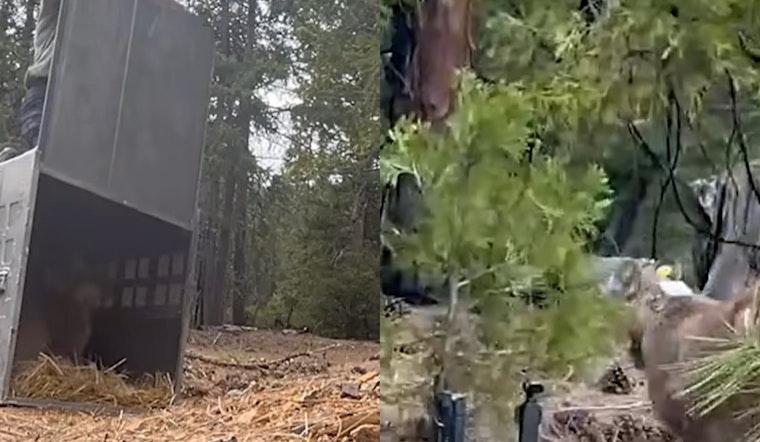
An 11-month-old female mountain lion that spent five months in rehabilitation at Sonoma County Wildlife Rescue in Petaluma is back in the wild after state biologists returned her to a remote Northern California habitat yesterday. The juvenile, originally captured near the town of Weed last November, spent weeks recovering at the Petaluma facility before staff cleared her for release. Early reports from wildlife biologists and rehab staff say she is moving and hunting on her own.
Details of the Release
Before heading back into the hills, the young cat was fitted with an ear tag, microchip and GPS collar, according to a video posted by the California Department of Fish and Wildlife. Officials noted that the 11-month-old female had lost part of her tail after trauma during capture and captivity. Veterinarians and wildlife biologists said the shortened tail does not appear to be a significant handicap, and that the lion showed she could hunt and fend for herself both before capture and during her time in care.
Where She Came From
Last fall, residents in Weed began reporting a young mountain lion lingering around town without a mother, which prompted an extended monitoring and capture effort, city officials said. In a November update, City of Weed officials described daily camera monitoring and coordination with CDFW while officers tracked likely travel corridors and prepared to deploy traps. During the response, local leaders stressed the importance of securing pets and promptly reporting sightings.
Rehab Work in Petaluma
At Sonoma County Wildlife Rescue, the young lion was housed in a specialized enclosure where staff focused on medical care, weight gain and behavioral conditioning to keep her hunting instincts sharp. The nonprofit operates one of the region’s larger wildlife rehabilitation programs and regularly partners with CDFW on rescues and releases, according to Sonoma County Wildlife Rescue. Staff limited direct human contact and relied on remote monitoring to prepare her for a successful return to the wild.
Why the Release Matters
Rehabilitations and monitored releases give young animals a shot at returning to wild populations, but long-term success still depends on connected habitat and reduced conflict with people. Habitat fragmentation and busy roads are making it harder for young lions to disperse and increasing the risk of vehicle strikes, according to a recent examination of Bay Area mountain lion ecology by the San Francisco Chronicle. GPS tracking of released lions helps biologists see where they move and evaluate whether they are adapting after release.
What Residents Should Know
Local officials are still urging residents to bring pets inside at night, secure attractants and report mountain lion sightings through the state’s wildlife incident reporting system, as outlined by the City of Weed. The city said it coordinated directly with CDFW during the monitoring and capture effort, including placing trail cameras and organizing response plans. If you encounter a mountain lion, officials advise staying calm, making yourself appear large and contacting local authorities immediately.
Early indications suggest the young lion is adjusting to life back in the wild, and biologists will be watching GPS data in the coming weeks to track her movements, according to the California Department of Fish and Wildlife. The case highlights how state and local agencies are working with permitted rehab centers to give injured or orphaned carnivores another chance in their native ranges.





