

























































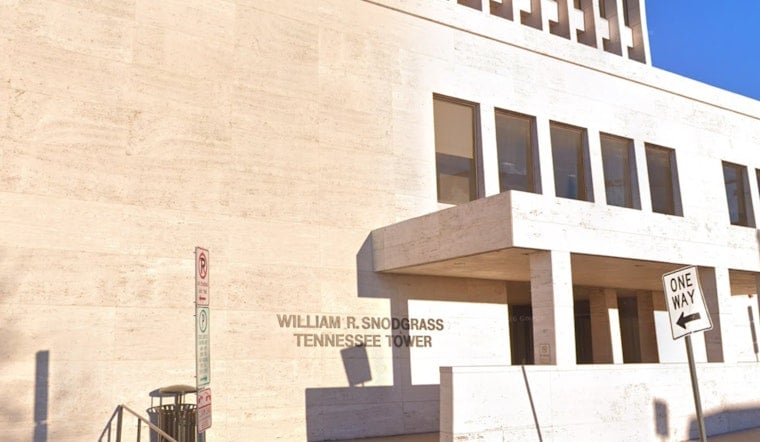
The Tennessee Higher Education Commission used its quarterly meeting last Friday to do two big things at once: sign off on six new academic programs at public universities and set a tuition-and-mandatory-fee increase range of up to 4.5% for the 2026-27 academic year. The move gives the green light to new bachelor’s, master’s, and doctoral offerings while handing campus boards a clear ceiling to work with as they hammer out budgets. If universities move quickly, some of the programs could be enrolling students as early as fall 2026.
Six new degrees cleared
The commission’s approvals cover a mix of high-demand fields across the state. At the University of Tennessee, Knoxville, THEC signed off on a Bachelor of Science in bioinformatics and a Master of Science in retail, hospitality, and tourism management. East Tennessee State University picked up a Bachelor of Business Administration in hospitality and tourism management and a Master of Science in environmental, health, and disaster science. Middle Tennessee State University secured a new Master of Science in mechatronic systems engineering, and Tennessee Technological University gained approval for a Doctor of Philosophy in integrative biology, according to WVLT.
Campus sign-offs came first
By the time the proposals landed at THEC, many had already made the rounds on their home campuses. The UT Board of Trustees approved the bioinformatics degree during its winter meeting, according to the UT Institute of Agriculture, and Tennessee Tech’s trustees signed off on the integrative-biology Ph.D. in March, per Tennessee Tech. ETSU board materials show the university submitted Letters of Notification for its hospitality and disaster-science programs last fall as part of the standard campus-to-state approval pipeline; see the ETSU packet for the fine print.
Tuition range and next steps
On the money side, THEC set a tuition-and-fee increase range that tops out at 4.5% for 2026-27. Individual campuses now have to bring their own specific proposals to their governing boards for final votes. The commission’s decision essentially tells universities how high they can go while still giving them the option to hold rates flat, as reported by WVLT. THEC and the universities typically post detailed meeting materials and voting records on their websites as budget season unfolds.
Why the programs matter
University documents pitch the new degrees as direct answers to workforce needs. UT frames the bioinformatics major as a way to produce graduates who can apply data and computational skills in agriculture and environmental science. Tennessee Tech describes the integrative-biology Ph.D. as a research engine built around the region’s biological diversity. MTSU ties its expanded mechatronics offerings to industry partnerships that support manufacturing and automation. Across the proposals, campuses emphasize hands-on research, employer-aligned courses and clearer transfer pathways for community-college students, arguing that those pieces fit squarely with state priorities to better connect higher education to Tennessee’s labor-market demands.
What to watch next
Next up: campus governing boards will take public votes on the exact tuition and fee levels they want to set within THEC’s range, and universities will announce when each new program will officially launch and start accepting applications. THEC posts meeting materials and updates in THEC's newsroom, and the universities will use their own sites to share timelines, admission requirements and other details as they lock in plans for 2026 and beyond.





