

























































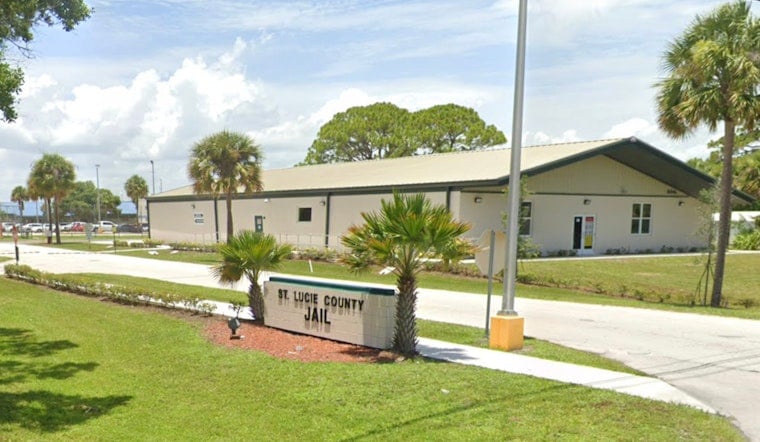
A Port St. Lucie man was arrested in mid-April after investigators say he posted TikTok videos claiming he could see other users’ private data and device identifiers. In the clips, he reportedly called out passwords, device IDs and even banking activity, which was enough to push detectives to open a targeted cyberstalking investigation. Authorities say the case is a textbook example of how a public social app can be flipped into a tool to intimidate people and potentially reveal their financial details and real-world movements.
According to CBS12, the case kicked off on April 10, when a St. Lucie County detective reviewed a roughly five-minute TikTok video posted to an account identified as belonging to Mark Asnea. That initial review led investigators to more videos on the same account, where the poster talked about cybersecurity tools and equipment, according to deputies.
A probable-cause affidavit states that one video included claims that the poster had access to highly sensitive personal data. Investigators say the clip referenced a password, an IMEI number, a MAC address and banking activity, and suggested the person behind the account could track someone’s movements. People who believed they were the targets of those TikToks told law enforcement they had never authorized anyone to access their devices or accounts, according to ABC 33/40.
Charges And Pretrial Restrictions
Detectives say they ultimately found probable cause that the TikTok activity violated Florida laws related to unauthorized computer access and stalking. The suspect was arrested on April 15 and is facing two counts of unauthorized access to a computer or electronic device and one count of stalking. Investigators have also recommended pretrial conditions that would limit his ability to use electronic devices while the case is pending, according to CBS12.
How Florida Law Handles Alleged Hacking And Stalking
Under Florida’s Computer Crimes Act, it is a criminal offense to willfully, knowingly and without authorization access a computer, network or electronic device. Depending on the circumstances, that conduct can be charged as a felony, and the same law also allows for certain civil remedies, according to Florida Statutes Chapter 815. Florida’s stalking statute spells out what counts as “cyberstalk” and allows charges to be upgraded to aggravated stalking when harassment continues over time or when it violates a court-ordered prohibition on contact, per section 784.048.
What To Do If Your Information Pops Up Online
If you ever stumble across a post that appears to show your private information, federal officials say your first move should be to document everything. That means saving screenshots, URLs and timestamps, then filing a report at IdentityTheft.gov to generate an FTC Identity Theft Report. The FTC also recommends contacting your bank and the credit bureaus, and reporting the content to both the social media platform and local police. Those steps can help secure your accounts and create a paper trail that investigators can lean on.
The St. Lucie County Sheriff's Office says the investigation is still active, with detectives continuing to comb through online posts and chase down leads, according to reporting by ABC 33/40. Anyone who has information that could help the case is urged to contact investigators.




