

























































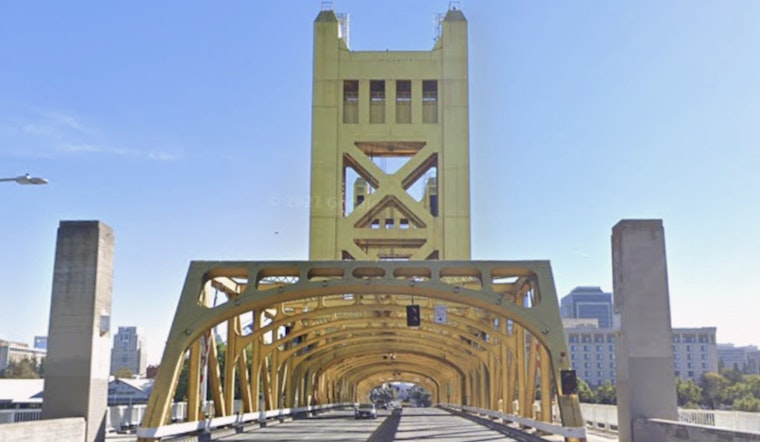
Sacramento’s long-talking, little-building streetcar saga is back in motion, and this week residents get a fresh chance to say whether they actually want rails rolling across the Tower Bridge.
Sacramento Regional Transit is asking the public to weigh in on a new, slimmed‑down design for the Downtown Riverfront Streetcar, a compact route that would run from West Sacramento’s Sutter Health Park across the Tower Bridge into downtown. The project is being sold as a faster, transit‑oriented way to reach ballgames, the Capitol and the Railyards, and the upcoming meetings are billed as a key moment to review maps, ask questions and flag concerns before environmental and design decisions move forward.
Workshops And How To Join
SacRT has lined up three public planning workshops: an in‑person meeting on May 26 from 6 p.m. to 7 p.m. at the SacRT Auditorium (1102 Q Street, Suite 4000), a virtual session on June 3 at 10 a.m., and a June 10 meeting at the West Sacramento Community Center. According to SacRT, each session will walk people through the revised alignment, proposed station locations and next steps, and will take public comments on the latest plan.
How The Route Would Run
The Federal Transit Administration's project profile and related environmental documents lay out a roughly 1.8‑mile alignment that starts at Sutter Health Park, heads over the Tower Bridge, moves along Capitol Mall, turns south on 3rd Street and then west on N Street before tying into SacRT’s existing light‑rail tracks toward Sacramento Valley Station. The plan calls for three new stations: one in the Bridge District near Sutter Health Park, one at 2nd & Capitol serving Old Sacramento, and an additional platform on N Street. The line is designed to connect with Amtrak, Capitol Corridor and SacRT services, according to the Federal Transit Administration.
Timeline, Cost And Local Reaction
Local coverage notes that the agency wants to move from design into construction over the next several years, with earlier reporting describing optimistic hopes for passenger service to start toward the end of the decade. As reported by CapRadio, the current plan carries an estimated cost north of $100 million. City leaders have publicly praised the connectivity a riverfront streetcar could bring, while also warning that parking and street‑level impacts will need careful design. That blend of enthusiasm and nervousness is expected to color public comments at the upcoming sessions.
Bridge Questions And Construction Impacts
The project's environmental review cautions that construction work could at times limit use of the Tower Bridge’s lift and says SacRT would need to coordinate those restrictions with the U.S. Coast Guard and Caltrans, according to the environmental study. The same documents call for traffic‑management plans, detours for people on bikes and tribal consultation as mitigation measures.
Separately, Caltrans has been carrying out electrical and component repairs on the nearly 90‑year‑old Tower Bridge this spring, including daytime one‑way traffic controls, which underscores how carefully staging and event scheduling will have to be handled on the riverfront, per Caltrans.
How To Weigh In
SacRT says attendees will be able to ask questions at the workshops, look over the Subsequent Initial Study/Proposed Mitigated Negative Declaration, and download fact sheets and maps from the project page. Meeting logistics and the virtual login information are posted there as well. See SacRT for the fact sheet, proposed alignment map and instructions on how to submit comments.
The next two weeks will show whether this shorter, cheaper version of the streetcar can finally clear the political and technical hurdles that stalled earlier, more ambitious concepts. For now, the public workshops are the clearest opportunity for residents to help decide whether the Tower Bridge will carry regular transit again or remain mostly the stuff of planning documents.




