

























































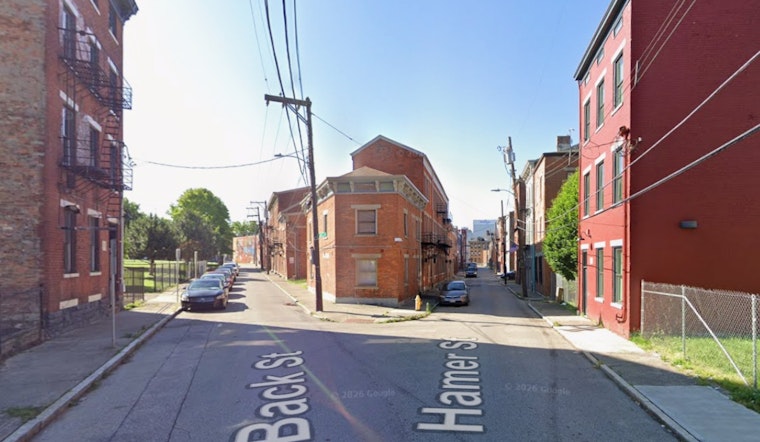
Court filings and testing data say chloroform, benzene, and other volatile solvents turned up in the basement beneath a POAH-owned apartment complex near Grant Park in Over-the-Rhine. Former tenants and their attorneys argue the findings help explain a run of mold complaints and illnesses in nearby units. The discovery has dialed up scrutiny from the city, tenants' lawyers, and local judges as multiple legal and inspection efforts move ahead.
Basement tests, inspection sweep and what the records show
Documents attached to an amended complaint show Terracon Consultants carried out sub-slab soil-gas and indoor-air sampling in February 2023 and detected chloroform, benzene, and other solvents, including butanone, in the building's basement. The plaintiffs’ lawyer says those results came in above Ohio EPA residential screening levels in effect in January 2023. The report pointed to a floor drain and a sump at 1652 Hamer Street as possible pathways for vapors and recommended sealing them to limit intrusion into occupied units. The filings and the city’s enforcement response triggered inspections across POAH's local portfolio, and reporting says inspectors had opened dozens of active violations while POAH said it has begun renovations and repairs. Those details and the test results were laid out by WCPO.
Why the chemicals matter for residents
Chloroform and benzene are serious concerns when people breathe them in. Chloroform can damage the central nervous system and respiratory tract and has been linked to organ effects and potential reproductive harm, while benzene is a known human carcinogen that can cause bone-marrow disorders and, at high acute levels, central-nervous-system depression and respiratory failure. The Agency for Toxic Substances and Disease Registry explains chloroform's health effects and the Agency for Toxic Substances and Disease Registry summarizes benzene's risks. Public-health guidance notes that children and infants breathe more air for their size, so exposure inside older rowhouses can pose outsized risks to families living there.
Tenants' suit and the discovery fight
Attorney Jedidiah Bressman filed the amended suit on behalf of tenants Nicole Humphrey and De'Naisha Shepard, who say they endured years of neglect, mold, and other unhealthy conditions at the connected Back and Hamer Street buildings. Bressman says the 2023 test results surfaced in discovery and that he has asked the court to order POAH to turn over any additional sampling and allow plaintiffs' experts to test units directly. The lawsuit, which alleges negligence and nuisance among other claims, is scheduled for trial in 2027, according to court filings and reporting. "Once they knew that there was an issue, they had a duty to make sure that their residents were safe," Bressman said, as reported by WCPO.
Other cases show a larger pattern
Similar litigation has surfaced elsewhere in the POAH portfolio. A separate complaint by Mariyah Varner, alleging mold and lead exposure, was removed to federal court in April 2026, reflecting how multiple tenants have turned to the courts. That federal opinion and order is available in court filings via Justia, which outlines the procedural history and allegations. Legal observers say the wave of suits and inspections has pushed the city to keep a closer eye on the nonprofit's local properties.
What POAH and regulators say
POAH Communities has told reporters it brought in an independent environmental consultant and that a Phase 1 assessment found concentrations below applicable Ohio EPA voluntary-action screening levels. The company says it is putting money into repairs and has a local team working on renovations. Ohio's Voluntary Action Program and its rules lay out how screening levels and Phase 1 and Phase 2 assessments are handled and create the framework for evaluating vapor intrusion and other exposure routes. POAH's leadership page lists local staff and company contacts in charge of operations and repairs, and Ohio's VAP rules and POAH's leadership information provide additional background.
What comes next
Attorneys for the tenants say they want more testing and access to POAH's environmental records to determine whether vapor intrusion could have reached living spaces, while POAH and city officials say inspections and repairs are in progress. The plaintiffs' push for further sampling and expert analysis is expected to play out in the coming months during discovery and pretrial hearings, with a trial date set for 2027. Neighbors and advocates say the case highlights broader questions about how Cincinnati maintains older affordable housing stock and how aggressively regulators enforce environmental and building codes.





