

























































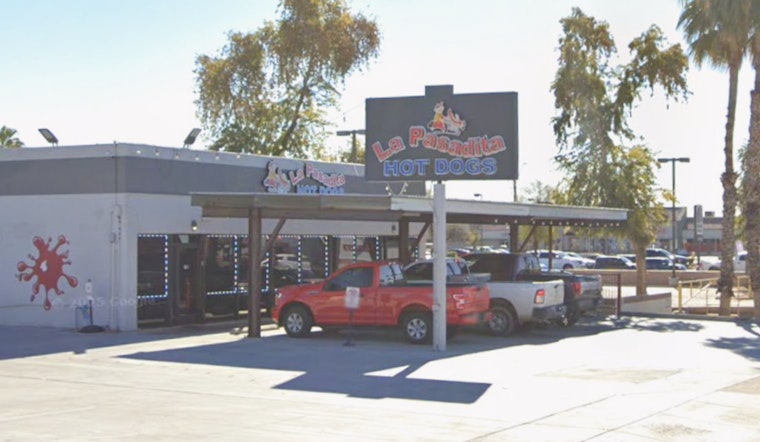
Some of the Valley’s buzziest spots just got attention of a very different kind. Maricopa County health inspectors cited a handful of well-known eateries this week, including a Gilbert coffee shop that has been blowing up online and a major Paradise Valley steakhouse. The visit notes detail a grab bag of "risk factor" violations - from staff handling food without washing their hands to old meat debris clinging to equipment and issues with sanitizers - landing several businesses on the latest Dirty Dining roundup and on the radar of cautious regulars.
What inspectors found
Among the restaurants called out, Light Heart Coffee in Gilbert and The Stone Korean Tofu House in Mesa each racked up four major violations, while Fogo De Chao in Paradise Valley was marked for three, according to Arizona's Family. Inspectors noted an employee at Light Heart cracking eggs and making breakfast sandwiches without washing their hands, and they flagged old meat debris left on a deli slicer at The Stone. The same roundup points to other Valley kitchens for problems like food not cooling properly, ingredients held past their discard dates and sanitizer concerns.
Where to check the records
For anyone who likes to check the receipts before ordering lunch, Maricopa County posts full inspection reports online, including inspector comments and whether issues were corrected. Diners can look up a restaurant and see the most recent visit in the county’s searchable database on Maricopa County's inspection portal. The same site lists contact details and complaint channels for customers who spot sketchy food handling in real time.
Dean's List: who passed
Not everybody flunked. Arizona's Family also highlighted several Valley spots that nailed perfect scores during recent checks, including Tofu King, Riliberto’s Fresh Mexican Food, Tuscany Falls Country Club, Ohya Sushi, Culinary Dropout and Rubio’s Coastal Grill. Those "Dean’s List" results are a reminder that strong food-safety systems are routine in many kitchens, not just rare gold stars.
Why handwashing and temps matter
Health inspectors pay closest attention to priority violations such as bare-hand contact with ready-to-eat foods and hot or cold foods held at the wrong temperatures, since those slip-ups are most likely to lead to foodborne illness. Proper handwashing with soap and water significantly cuts diarrheal disease and other infections, according to the CDC. Training workers on when and how to wash up, and routinely checking food holding temperatures, are some of the basic fixes inspectors urge operators to stick with.
Enforcement and next steps
Local officials lean on the FDA’s model when deciding how hard to come down on problem kitchens. Depending on what they find, inspectors can require on-the-spot corrections, schedule re-inspections or, when serious priority violations keep showing up, move toward suspending a permit. That framework is laid out in federal Food Code guidance used by local agencies, as explained by the FDA. Maricopa County’s own inspection history shows that repeat or uncorrected priority issues often trigger follow-up action.
If your go-to spot suddenly shows up on the Dirty Dining list, the next report is the one to watch. Many violations get fixed quickly, but the public record helps diners decide their comfort level. A quick check of the county database, or even a call to the restaurant to ask what has been corrected, can be the difference between a solid night out and a regrettable one.





