

























































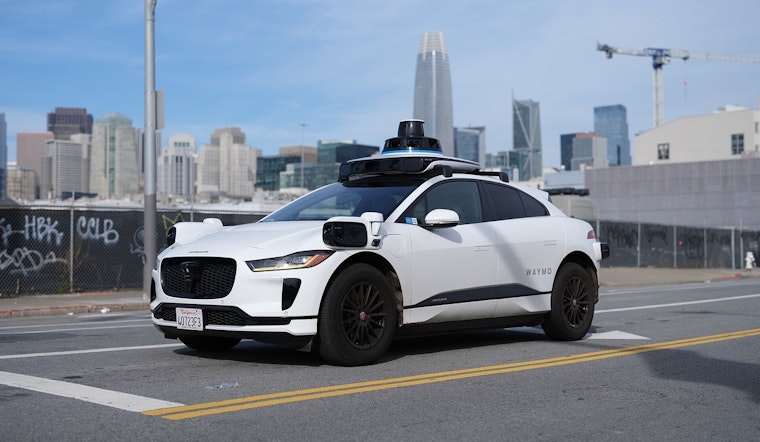
A viral clip making the rounds online shows a Waymo robotaxi frozen at the entrance of a Miami‑Dade condo community, turning an ordinary gate into an impromptu choke point. The short video captures the driverless car stopped at the gated entry while a line of increasingly impatient drivers stack up behind it, edging around the stalled vehicle whenever they can. The footage does not clearly show whether anyone is inside the car, but neighbors say the brief standoff caused a temporary traffic backup at the community gate.
According to NBC 6 South Florida, the video is "adding to a growing list of questions" about how driverless vehicles behave once they are out in the wild. NBC reports that Waymo is in the middle of a growth spurt across South Florida, adding roughly 50 square miles to its existing territory and bringing its total coverage area to about 150 square miles. The company plans to run service near Hard Rock Stadium and around Aventura Mall. NBC also notes it has asked Waymo to comment on the Miami clip and was still waiting for a response.
Recall And Flood Risk
The timing is not ideal for Waymo. Federal safety records show the Miami video surfaced as regulators are already scrutinizing the company. Earlier this month, Waymo filed a voluntary recall covering 3,791 robotaxis after one of its vehicles drove into a flooded lane in San Antonio on April 20, according to the NHTSA recall filing. The federal documents say the software "may allow the vehicle to slow and then drive into standing water on higher speed roadways." Waymo has issued an interim over the air update that tightens weather constraints while it works on a permanent fix.
Regulators warn that entering a flooded lane can cause a loss of vehicle control, which is why the recall filing remains under active review. In other words, the same software brains that handle routine neighborhood traffic also have to make the right call when the road turns into a shallow river.
Other Recent Snafus
The Miami condo clip is just the latest in a string of odd moments caught on camera involving autonomous rides. In metro Atlanta, Channel 2 Action News reported that residents watched dozens of empty Waymo vehicles repeatedly looping through a cul de sac, a kind of robotic parade that eventually pushed neighbors to call both the city and the company. The report highlighted how routing choices and "deadhead" trips, when cars reposition without passengers, can spill into quiet residential streets and test homeowners' patience.
Local TV crews in several cities have recorded robotaxis stopping in unexpected places or freezing at awkward moments. Each small incident might be a glitch rather than a catastrophe, but together they have helped fuel public unease about turning everyday traffic over to code.
Why It Matters
The concern from cities is not just about minor traffic jams. In Austin, officials say a Waymo vehicle briefly blocked an ambulance during a mass shooting response in March, according to the Houston Chronicle. Local leaders there have called for meetings with Waymo and pushed for clearer ground rules for how autonomous vehicles should behave around emergency scenes, a conversation that has moved from tech conferences into city halls and emergency operations centers.
Episodes like the Austin ambulance incident help explain why Miami residents and officials are eyeing the condo gate video so closely. A stalled car at a private community entrance is an annoyance; a stalled car in front of a fire engine or ambulance is something else entirely.
Company Response And Next Steps
Waymo says it has already rolled out interim mitigations, including stricter weather limitations and updated maps, and that it is developing a permanent software fix, the company told reporters. TechCrunch quotes the company as saying it is "working to implement additional software safeguards" and that temporary remedies have been pushed to affected vehicles over the air.
At the same time, federal filings and a growing list of local complaints are increasing pressure on Waymo to refine how its cars handle routing quirks and emergency situations, even as the company continues to expand its footprint in new neighborhoods.
What This Means For Riders
Hoodline has been tracking Waymo's Miami rollout; for background see how the company’s driverless cars invade Miami streets. For now, the condo entrance standoff is one more local data point in a national debate over how, and where, driverless fleets should mix with everyday traffic and emergency responders.
We will update this story if Waymo or Miami‑Dade officials release more details about what happened at the gate.





