

























































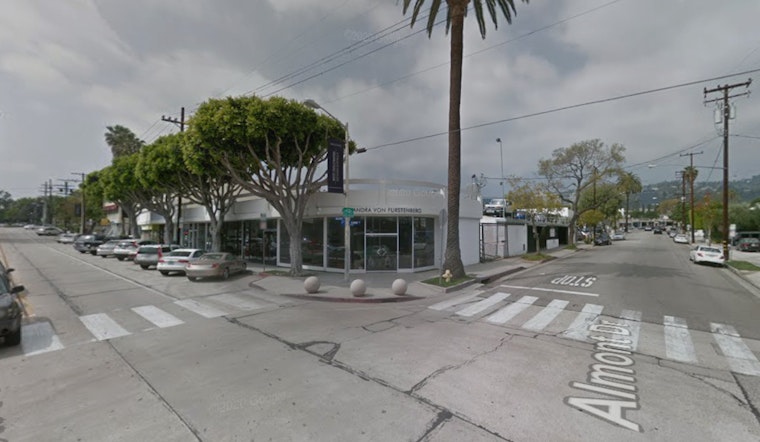
After years of sitting as a dusty open pit at the edge of West Hollywood, the Melrose Triangle finally got a new pitch on Wednesday night, and the crowd mostly liked what they saw. Developers rolled out fresh renderings for a mixed-use complex with housing, shops and a landscaped courtyard that they say will stitch the long-neglected site back into Melrose and Santa Monica boulevards.
On a developer-hosted Zoom meeting, David Kim and land-use attorney Kathleen Truman walked neighbors through a proposal for 282 homes, including 216 market-rate units and 66 senior-restricted units, plus roughly 96,000 square feet of retail, two restaurants and about 58,000 square feet of shared open space, according to WEHOonline. The team said the plan relies on state density bonus incentives and the AB 130 CEQA pathway enacted in 2025, which together allow a streamlined review process so the project would only need a development permit and an administrative permit for outdoor dining. About 36 people tuned in, and several described the revamped concept as one of the best versions they have seen for the site.
Why Now: Backfill Order And Lapsed Entitlements
The push to move quickly is coming from City Hall. Entitlements for the property have expired, and West Hollywood staff have ordered the owner to backfill the giant excavation, a directive that has nudged the development team into processing building plans "at risk" while they chase approvals. City of West Hollywood staff materials and recent reporting spell out the backfill order and the stabilization options under review. For more detail on the timeline and the city's actions, see coverage from Smart Cities Dive.
Design, Tribute And Timing
The current design splits the project into four distinct buildings, dubbed the Santa Monica, Melrose, Avenue and Gateway buildings, all organized around a central courtyard and an outdoor curated art gallery, according to the development team. Plans also call for a small kiosk and the reinstallation of the original vertical element salvaged from the 1938 Jones Dog & Cat Hospital, which came down in 2018. The history of that building is documented by the Los Angeles Conservancy.
Presenters said they aim to finish responses to planning staff comments this summer, then head to design review and the Planning Commission. If they choose to submit permits "at risk," they estimated building permit processing could take roughly six to nine months. The recurring theme from the team: get something approved and built so the long-standing hole in the ground finally disappears.
Parking And Neighborhood Concerns
Not surprisingly, parking took up a big chunk of the Q&A. The proposal includes 528 parking stalls in total, divided between residential and commercial uses, and the developers said they plan to layer in shared and valet strategies to handle demand. Neighbors countered that nearby streets already feel maxed out and warned that some households could be left without assigned spaces.
Those worries are part of a broader policy shift. AB 130 and related state changes have created new CEQA and permitting pathways and can remove local minimum parking requirements, with the law's text and implementation details available on the state legislative site. For context on how long the community has been frustrated with the idle pit and its standing-water issues, residents were pointed to Hoodline's earlier coverage of the so-called "WeHo Swamp."
What Comes Next
The Charles Company told attendees that it is in active financing talks, although no construction loan has been locked in yet. The developer plans to wrap up planning responses this summer, then move to design review and the Planning Commission.
Neighbors who want to keep tabs on the next steps can sign up for updates through the project website or contact the team by email, and the project site is slated to carry construction updates along with a direct contact address for questions and complaints.





