

























































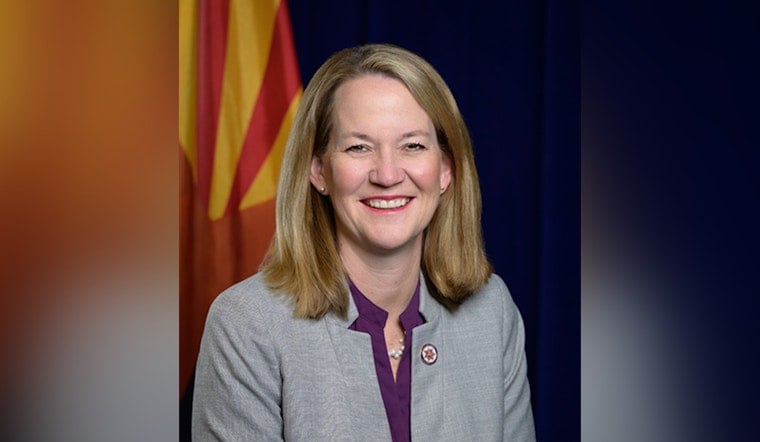
Arizona Attorney General Kris Mayes is sending a $10 million shot of opioid settlement money to five rural sheriff’s offices, backing a coordinated push to help people succeed after they leave county jails. The cash will be split into $2 million chunks for Coconino, Mohave, Navajo, Pinal and Yavapai counties, all earmarked for coordinated reentry planning that connects people to treatment, housing and other support as they return home.
According to Arizona's Family, Mayes said in a written statement, "These funds will help county sheriffs expand programs that give Arizonans a real shot at recovery, stability, and a second chance." The outlet reports that each of the five sheriff’s offices is slated to receive $2 million, with Pinal County’s share still awaiting a vote by the Pinal County Board of Supervisors. The report also notes that recipients must file quarterly financial reports and program updates with the Attorney General’s Office, and that the money is intended for coordinated reentry planning services to be used before the end of the state fiscal year on June 30, 2027.
How the grants were authorized
The spending plan is baked into the state budget through SB1735, which creates a $10 million line item for coordinated reentry planning services and specifies $2 million distributions to each of the five counties. The budget language also requires the Attorney General to finish transferring opioid-claims money to the Arizona Department of Corrections, Rehabilitation and Reentry before the new grant dollars go out, and the bill text spells out those conditions and the funding stream in detail.
As outlined in the enacted budget bill SB1735, available on LegiScan, the coordinated reentry line is funded from the consumer remediation subaccount of the consumer restitution and remediation revolving fund.
What the money can pay for
The Attorney General’s One Arizona framework defines approved uses for opioid settlement dollars to include leadership, planning, coordination and investments in staffing or infrastructure that help effective programs function. Under that guidance, counties can use the grants for items such as case managers, peer recovery specialists, data or coordination systems and partnerships with hospitals and behavioral health providers that are focused on linking people to treatment and recovery services.
See the One Arizona Agreement for the full list of approved purposes and the state’s distribution framework.
Why this matters in rural Arizona
Rural counties often operate with thin staffing and patchy continuity-of-care networks, which makes it harder to run the kind of reentry programs that keep people from cycling back into jail. A one time $2 million infusion can help build the human services backbone that supports people through that vulnerable transition period.
The FY2026 appropriations materials and JLBC budget descriptions indicate that this appropriation builds on earlier state efforts to steer opioid settlement dollars toward corrections related remediation, treatment and reentry infrastructure.
For broader budget context, review the JLBC FY2026 appropriations report and related materials.
Oversight and past questions
The timing of the rollout comes as Arizona’s use of opioid settlement funds faces added scrutiny. An audit reported by KJZZ in May found the Department of Corrections may have used some settlement dollars for hepatitis C treatment without documentation that tied those costs to opioid related harm, a finding Attorney General Mayes has publicly raised.
That backdrop, along with SB1735’s transfer requirement, gives the Attorney General and lawmakers a statutory hook to review and monitor how the coordinated reentry grants are carried out.
What comes next
Sheriff’s offices now have to turn the budget win into on the ground implementation plans and track their spending under the quarterly reporting rules. Pinal County’s Board of Supervisors still has to decide whether to accept its allocation, and once county level plans are made public, residents and policymakers will be able to see how each jurisdiction uses its share to expand reentry supports.





