

























































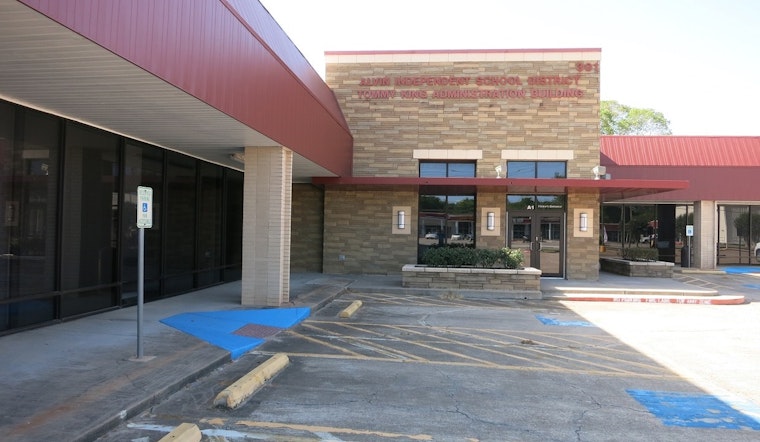
Alvin ISD is keeping its wallet on a short leash this year. At a June 9 board meeting, trustees signed off on a flat operating budget for fiscal year 2026-27 that leaves overall spending largely unchanged, holding projected revenue at about $391.4 million and trimming expenses to create a small financial buffer. District leaders stressed the plan is a starting point that will be fine-tuned once updated property value data lands later this summer.
Budget by the Numbers
According to Alvin ISD budget documents, the 2026-27 operating plan anticipates roughly $391.4 million in revenue against nearly $381.4 million in expenses, leaving an estimated $10 million in available capacity. The plan also includes a $3 million transfer in from property insurance funds and a $10 million transfer out tied to the district’s tax increment reinvestment zone.
Board Votes and Staff Raises
As detailed by Community Impact, trustees approved the budget June 9 after a May 12 amendment baked a 3% cost-of-living adjustment for employees into the district’s planning assumptions. Board members repeatedly characterized the package as “flat” — essentially a pause on major new spending — that still protects classroom and personnel priorities. The idea is to buy time to watch enrollment trends and potential state funding shifts before committing to big new programs.
What It Means for Homeowners
The district’s budget paperwork projects a preliminary combined tax rate of $1.1353 per $100 of valuation, split into $0.7405 for maintenance and operations and $0.3948 for interest and sinking, per Alvin ISD. Using the district’s median homestead taxable value of $234,183, officials estimate a typical homeowner’s annual school tax bill at about $2,670 under that preliminary rate. District leaders caution that figure could shift once certified property values come in.
Why Leaders Kept the Budget Steady
“The unrelenting budgeting priority in Alvin ISD has been classrooms, students and teachers,” AISD Chief Financial Officer Daniel Combs told trustees, according to Community Impact. Combs noted that enrollment and average daily attendance remain the district’s biggest revenue engines and that slower-than-expected growth shaved about $5 million off the revenue originally projected for next year. Trustees and staff also pointed to a looming concern: when the Shadow Creek Ranch TIRZ expires in fiscal year 2028-29, the district warns it could erode operating capacity over the long term.
What’s Next
State law requires the chief appraiser to certify local appraisal rolls by July 25, which is the trigger for taxing entities to receive final values they use to calculate tax rates, according to FindLaw. After those certified values arrive, Alvin ISD can pin down its official rate, and trustees are expected to adopt a tax rate at a fall board meeting. In the meantime, district leaders say they will keep an eye on enrollment patterns, state guidance and the Shadow Creek Ranch TIRZ timeline as they sharpen plans for staffing and long-term capital needs.




