

























































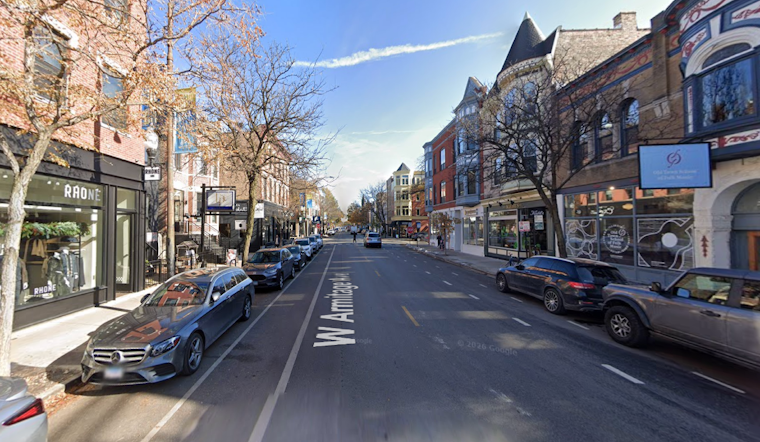
On Chicago’s North Side, the boutique shopping hierarchy is getting a reshuffle. Armitage Avenue in Lincoln Park is tightening vacancies and landing buzzier tenants, while other nearby strips are still trying to catch their breath. The split is showing up in storefront windows and on leasing sheets, and it has real stakes for neighborhood shoppers and small businesses that rely on steady foot traffic and bearable rents.
As Crain's Chicago Business reported Thursday, the latest neighborhood retail snapshot shows Armitage pulling ahead and another corridor wobbling, powered by a mix of national chains, direct-to-consumer showrooms, and new boutiques. The picture that emerges is both statistical and street-level, with brands and landlords quietly redrawing the map of where they want to be.
Numbers Show Armitage's Edge
Year-end market work from Stone Real Estate finds vacancy on Armitage between Sheffield and Halsted down in the low single digits, while Southport's core is sitting at or near zero. In the same survey, Damen's bounceback looks choppier. Stone points to factors like rising household incomes and strong transit access helping some corridors race ahead while others lag.
New Stores Are Changing the Street
On Armitage itself, the shift is easy to spot. Performance-apparel label Rhone lists a Lincoln Park shop at 910 W. Armitage Ave., giving the strip a higher-price anchor. Grand openings and in-store events tied to new tenants are filling the calendar, giving Armitage a busier feel than some of its neighboring corridors, which are still waiting on the right mix of occupants.
What Landlords and Independents Face
According to Stone Real Estate, demand from national retailers has shifted negotiating power toward landlords, who in some cases are nudging rents on new deals toward roughly double what they were before the pandemic. That kind of jump is a stress test for independent shops and helps explain why better-capitalized brands are the ones moving in even as vacancies fall. Landlords are often opting for the perceived security of long-term national leases over mom-and-pop risk.
What to Watch Next
The next chapter will hinge on how that leverage gets used. Landlords can keep chasing national anchors, or city officials and local business groups can try to keep independent storefronts in the mix that give these corridors their personality. As Crain's Chicago Business notes, whoever wins that tug-of-war will help decide which streets stay destination shopping districts and which risk turning into look-alike rows of chain retail.





