

























































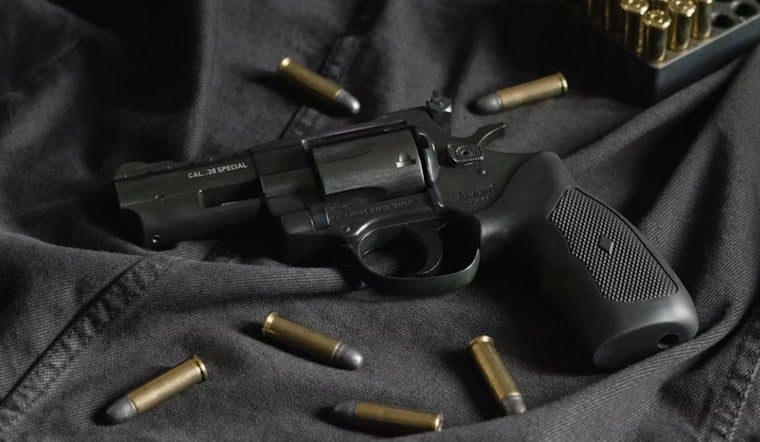
Bay Area gun owners who like to hit the road with their firearms may soon get clearer federal rules on what counts as safe passage when crossing state lines, as regulators move to spell out that ordinary road-trip stops can still be covered.
The Bureau of Alcohol, Tobacco, Firearms and Explosives has floated a rule that would explicitly treat routine trip activities as part of protected transport. That includes overnight hotel stays, refueling stops, vehicle maintenance and emergency medical detours, along with updated guidance on how ammunition, common accessories and secure storage are handled while in transit.
What ATF is proposing
On May 6, the agency published a notice of proposed rulemaking in the Federal Register that would amend 27 CFR part 478. The draft would define transport to include incidental activities such as overnight lodging, fuel stops and necessary vehicle repairs while a lawful gun owner is traveling between states.
The notice, docketed as ATF-2026-0133, lays out edits the agency says are meant to reduce uncertainty for lawful travelers while keeping the existing statute’s limits intact. The basic idea is to say out loud what many road-trippers already assume is covered, and to put that in the regulatory text.
Ammunition, accessories and secure storage
According to the agency’s own explanation at ATF, the proposal would also clarify that safe-passage protections apply not just to the firearm itself but also to ammunition and common firearm accessories. The draft further clarifies what ATF expects for secure storage during stops and overnight lodging, framed as a way to match modern travel habits and ease administrative headaches for people trying to follow the law.
Split reactions
Reaction has been sharply divided. Firearms-industry advocates and some gun owners have welcomed the package as commonsense relief from confusing rules that can vary widely across jurisdictions. Gun-safety organizations, on the other hand, warn that the changes could weaken enforcement efforts and make already complex state law landscapes even more tangled.
National coverage has highlighted both the praise from trade groups and the pointed concerns from public-health and law-enforcement researchers. Industry figure Lawrence G. Keane went so far as to call the proposal the dawning of a new era, according to Axios.
Legal implications
The underlying federal protection sits in 18 U.S.C. § 926A, which creates a safe passage defense for travelers. Under that statute, a person who is not otherwise prohibited by federal law can transport an unloaded firearm between places where possession is lawful, as long as both the firearm and the ammunition are not readily accessible from the passenger compartment. The full text that courts and agencies lean on when interpreting those protections is available from the Legal Information Institute.
How to weigh in
The proposal is not final. ATF is taking public comments, and the Federal Register notice shows the comment period closing on Aug. 4. Written feedback can be submitted to the formal docket at Regulations.gov under ATF-2026-0133, where the agency will review and weigh input before deciding on a final rule.
Local angle
Locally, the ATF San Francisco field division has been boosting the announcement on X, pointing followers to the Federal Register posting and the agency’s own breakdown of what is on the table. For Bay Area gun owners who regularly cross state lines, the proposal is a signal to take a fresh look at their travel routines. Even if federal safe passage language is clarified, state and local rules still apply at every stop, from the first gas station outside the bridge to any overnight motel on the way home.





