

























































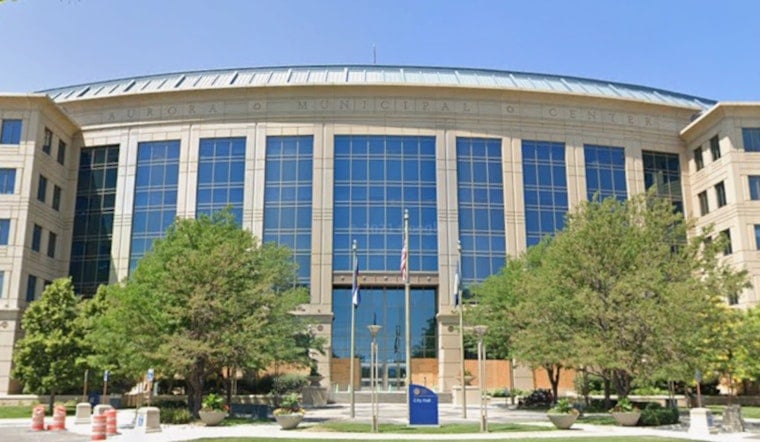
Aurora City Council is taking the first formal step toward a rental-registration and landlord-licensing system that backers say would make it easier to track down responsible owners and clamp down on chronic problem properties. Councilmembers reviewed a resolution during a June 8 study session and are expected to vote on it at their regular meeting on June 22. If it passes, city staff would spend the summer and fall digging into staffing needs, fee structures, and outreach, with a draft ordinance targeted for winter and possible rollout next year, pending final approval.
According to Sentinel Colorado, the resolution instructs the city manager to design a program that covers both multi-family complexes and single-family rentals instead of immediately writing a new code section. The city already runs an apartment inspection program focused on health and safety, but supporters told council a formal registry could sharpen enforcement and speed up communication between tenants, landlords and inspectors. Staff said they plan to hold stakeholder meetings and broader community outreach before returning in the winter with a concrete proposal.
What the program would do
Staff has outlined a framework where property owners or managers would register annually and provide up-to-date contact details, which could include a requirement for a locally based owner or manager who can respond quickly to repair requests or code violations. They argued that having a clear local point person would make it easier for inspectors to resolve problems, so they can actually contact decision-makers quickly, as city officials told the council. The proposal would apply to single-family rentals as well as apartment buildings and would not, on its own, create a full licensing regime without an additional, separate vote by council.
Council split on costs and property rights
Supporters, including Mayor Pro Tem Alison Coombs and Mayor Mike Coffman, framed a registry as a practical tool to fight blight and keep landlords on the hook for basic maintenance. Critics, including Councilmembers Françoise Bergan and Stephanie Hancock, cautioned that the program could grow municipal control over private property and worried that any new fees could be passed along to renters. Colorado Politics reported that a majority of councilmembers supported sending the concept to staff for further study and pointed to Denver’s phased licensing rollout as a potential model to study, not necessarily copy.
Why the push now
The timing is no mystery. The conversation follows high-profile enforcement actions and lawsuits tied to several troubled complexes managed by CBZ, including the Edge at Lowry, where officials documented infestations, failing utilities, and violent crime before issuing emergency closure orders. The saga drew national attention and set off legal battles over how far the city can go when it declares a property unsafe. Councilmembers have repeatedly cited that episode while arguing for tighter enforcement tools that kick in well before conditions reach crisis levels. Local reporting by the Denver Gazette and Westword has tracked the closures, the accusations flying in both directions, and the city’s evolving legal strategy.
What happens next
Council is slated to take up the resolution at its June 22 meeting in the Paul Tauer Aurora City Council Chamber at the Aurora Municipal Center, 15151 E. Alameda Parkway, according to the City of Aurora calendar. If the council signs off and directs staff to move forward, residents can expect more public meetings over the summer and a draft ordinance to surface in the winter for formal debate, with any new requirements phased in only after a final council vote.





