

























































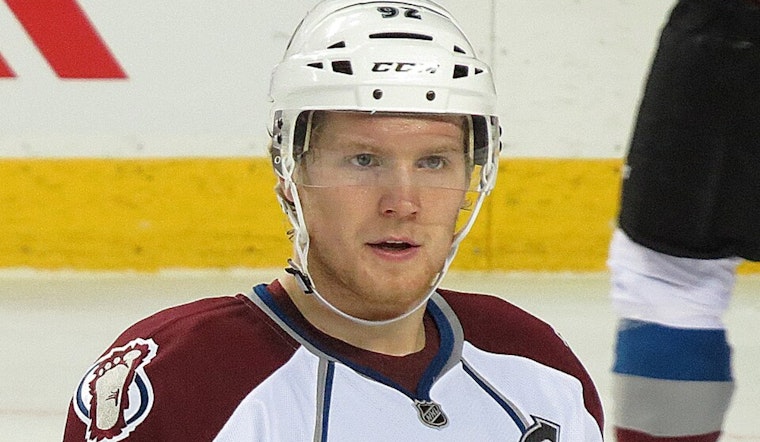
After years of wondering if his right knee would ever let him play again, Gabriel Landeskog walked out of a long rehab and straight into a double-trophy night. The Colorado Avalanche captain picked up both the Bill Masterton Memorial Trophy and the Mark Messier NHL Leadership Award on Tuesday, closing the book on a multi‑year comeback that tested his body, his patience, and the belief of a very anxious fan base.
According to the Denver Gazette, Landeskog was named the 2026 Masterton winner and also announced as the Messier Award recipient. The paper rounded up reaction from inside the room and around the rink, with Avalanche center Nathan MacKinnon saying, "He worked extremely hard to get back," and TV analyst Erik Johnson pointing to Landeskog’s presence as a steadying force on and off the ice.
What those trophies actually mean
The Bill Masterton Trophy goes to the player who best embodies perseverance, sportsmanship, and dedication to hockey. The Mark Messier NHL Leadership Award, on the other hand, is all about a captain’s footprint, both on the ice and in the community. As laid out by NHL.com, the Masterton winner is chosen by the Professional Hockey Writers Association, while the Messier honor is designed to spotlight leadership that does not always show up in the box score.
From operating table to awards stage
Landeskog’s path back to the Avalanche was a long medical saga. He underwent a cartilage replacement procedure in May 2023 and then spent multiple full regular seasons watching from the press box instead of skating on the top line. The Washington Post (AP) reported on the detailed recovery plan built around that operation, including technology he used to manage the surgically repaired right knee and rebuild game‑level conditioning. That long, methodical process is a big part of why voters circled his name this week.
By the numbers
Once he finally returned to the regular lineup, Landeskog put up solid production. He finished the season with 35 points in 60 games, including 14 goals and 21 assists, according to season records on Hockey‑Reference. Those numbers followed his late‑season reappearance in the 2025 playoffs and a near‑full slate the next year, a stretch that turned a feel‑good comeback story into real, measurable output.
Delivering when it mattered most
The stakes went up in the postseason, and Landeskog followed suit. He chipped in 11 points in 13 playoff games, including six goals, as reported by the Denver Gazette. That run helped shut down any notion that his return was purely symbolic. He was a genuine offensive weapon when the pressure was highest, a point The Gazette emphasized while framing the awards as a nod to both resilience and production.
How it changed the Avalanche
Landeskog’s comeback did not just change the mood on the bench; it changed the standings. With their captain in the lineup, the Avalanche went 45‑7‑8; without him, they were 10‑9‑3. That split, highlighted when Masterton finalists were announced and noted by NHL.com, is a tidy statistical summary of why his return felt like a season‑defining turn for Colorado.
For Denver, the twin trophies serve as a local epilogue to a story that has been unfolding for years: a home‑base captain who left at the peak of his powers, endured major surgery and a grinding rehab, then came back to help his team push again. The hardware is recognition of that full arc, and a reminder that in this city, Landeskog’s comeback is still woven into how this entire Avalanche season is remembered.



