

























































A third jury trial over Idaho Power's Boardman to Hemingway transmission line is now on the calendar for June 29, 2026, in Baker County Circuit Court, setting up another round in a long-running fight over land rights in eastern Oregon. The case pits the utility against Bokides Properties LLC over whether Idaho Power may take or use easements near Huntington on the east side of Baker Valley, the latest in a series of condemnation clashes tied to the large‑scale high‑voltage project that has provoked sustained legal and community pushback.
According to the Baker City Herald, the June 29 trial centers on property owned by Bokides Properties and follows court filings in which Idaho Power argues it should not owe compensation for that particular parcel. Landowner attorney Andrew Martin has asked the court to revisit the utility’s condemnation authority, contending that changes in how project partners intend to use the line undercut the original public‑use justification.
Project Scale and Timeline
The Boardman to Hemingway line is a roughly 290–293‑mile, 500‑kilovolt transmission project slated to run from Boardman, Oregon, to the Hemingway substation in Idaho. Idaho Power describes it as a major transmission connection designed to move up to 1,000 megawatts in either direction and notes ongoing construction and permitting activity with an expected energization window as soon as late 2027. The sheer scale and pace of the build are central to why landowners and local governments have pressed legal challenges.
Recent Verdicts and Settlement Offers
Outcomes in earlier trials have been a mixed bag for landowners. A jury awarded Mark and Savannah Kerns $56,000 in early March, and another verdict in April granted Charles Colton & Sons roughly $182,970. At the same time, Idaho Power has floated lower figures, including an offer of about $65,870 for easements on at least one parcel, while judges have approved limited advance payments in related cases. Together, those numbers highlight how compensation remains a central battleground. These amounts and rulings are outlined in local reporting and court filings, as reported by the Baker City Herald.
Legal Stakes
At the core of the dispute is a threshold legal question: whether the Oregon Public Utility Commission’s 2023 Certificate of Public Convenience and Necessity gives Idaho Power the right to condemn private land for B2H even as project partners have revised how the line may be used. As detailed by the Public Utility Commission of Oregon, the June 29, 2023 order is the formal basis on which the utility is seeking land rights along the route.
A Baker County judge later concluded that Idaho Power could use private easements, including condemnation, in a ruling that local outlets said cleared a key hurdle for construction to continue. That decision was reported by the La Grande Observer.
What to Watch in Court
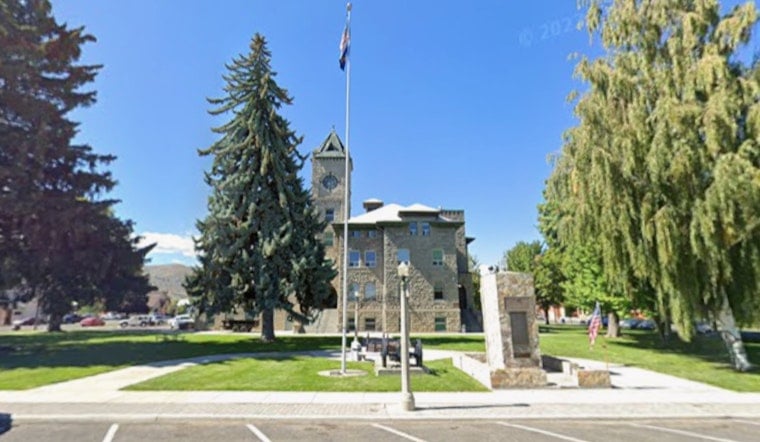
The June 29 trial at the Baker County Courthouse at 1995 Third Street in Baker City will be closely watched to see whether jurors find evidence of physical interference or diminished possession that could support higher awards, or whether Idaho Power’s broader public‑interest defense carries the day. Any significant verdict could influence dozens of remaining condemnation cases along the line’s route and shift bargaining positions as crews continue work across eastern Oregon. Local attorneys say appeals are likely, which means the outcome could shape compensation and construction timelines well beyond Baker County.



