

























































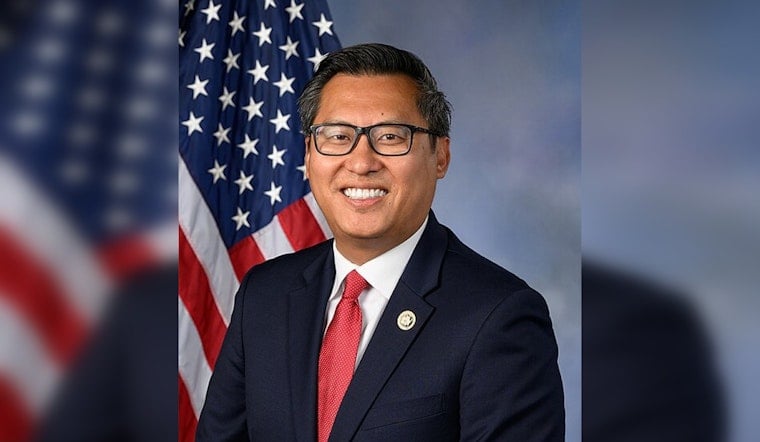
In a late-night May markup in Washington, Rep. Vince Fong quietly slipped a few lines of legalese into the House Transportation and Infrastructure Committee’s five-year surface transportation bill, language that would sharply narrow when app-based companies such as Uber can be held responsible for harm caused by drivers. The tweak turned a must-pass funding package into an unexpected battleground over corporate accountability and rider safety, landing just as Uber fights multiple lawsuits and pours money into a costly California ballot campaign.
As reported by The Sacramento Bee, Fong’s amendment would block many state-law claims against “network companies,” the bill’s term for app platforms, unless the company itself was grossly negligent or criminally culpable. During the markup, Fong cast the change as an affordability move, arguing that “these companies are being increasingly targeted by lawsuits seeking massive payouts even when the company itself is not alleged to have done anything wrong.” His office also told The Bee that the amendment would not stop states from requiring enhanced background checks or other driver-qualification rules.
The committee ultimately advanced the BUILD America 250 Act on a 62-2 vote, but the liability language itself survived by a much tighter margin. Roll Call reports that Fong’s rideshare liability provision passed on a party-line roll call, 35-30, and is now baked into the bill headed to the House floor. That narrow vote underscores how contentious the clause is, and how easily it could be stripped out or restored during floor negotiations.
Lawsuits, Jury Verdicts and the Legal Backdrop
Uber is already facing a wave of litigation from riders. The company is defending thousands of sexual-assault and injury claims, and recent bellwether trials have shown that juries can, and sometimes do, hold the company responsible for driver misconduct. The Los Angeles Times reports that Uber is contending with more than 3,000 consolidated federal cases, while juries in recent trials have delivered mixed verdicts, including an $8.5 million compensatory award in Arizona. The outcomes of those early cases help explain why both lawmakers and litigants are rushing to shape the legal rules now.
Money is a big part of that backdrop. According to The Sacramento Bee, Uber has already spent about $70 million on its California ballot push this year, a campaign aimed at limiting plaintiffs’ recoveries and curbing contingency-fee litigation. Critics argue that the company’s spending, combined with the new federal language, amounts to a two-front strategy at the ballot box and in Congress to protect corporate balance sheets.
Trial lawyers and consumer advocates have responded sharply. The American Association for Justice warned that the bill “would let powerful corporations dodge accountability to victims and survivors,” while the advocacy group Alliance Against Corporate Abuse argued that the amendment could retroactively undercut thousands of pending sexual-assault suits. AAJ and the Alliance Against Corporate Abuse both issued press releases calling the move a dangerous rollback of established remedies.
Legal Implications
Legal analysts say the amendment borrows from the narrow federal preemption in the Graves Amendment, originally written for rental car companies, but then raises the bar for holding app platforms liable to “gross negligence” or criminal wrongdoing. That is a much tougher standard for victims to meet. Ordinary negligence claims against network companies would become far more difficult, and depending on how the drafting and effective-date language are interpreted, the change could shape lawsuits filed after the measure takes effect.
For readers who want the fine print, legal commentators have already begun dissecting the proposal. Kocaj Law walks through how the liability shield would function for app-based services, while a section-by-section breakdown from Holland & Knight explains where the language tracks earlier federal preemption and where it pushes into new territory.
The provision still has a long way to go. The full House must bring the bill to the floor, the Senate would have to agree to companion language, and the White House would ultimately need to sign any final package. Committee leaders have signaled that they want to move quickly, but opponents say they will lean hard on House managers to strip the liability section before a final vote. The Transportation and Infrastructure Committee materials and markup record spell out the procedural path the bill must navigate.
Why Californians Should Care
The clash in Washington feeds directly into California politics. In the state, Uber is backing a ballot measure that would cap contingency fees, while a rival initiative would classify rideshare firms as common carriers and require fingerprint checks and public safety reporting. The Los Angeles Times notes that both sides have already raised tens of millions of dollars this year, and Fong’s federal amendment would function as a kind of backstop if California’s ballot results do not break Uber’s way.
For now, the amendment remains a live threat to the existing ways that courts and states hold platform companies accountable, and it turns the 2026 ballot and upcoming House floor debates into an unusually high-stakes showdown between tech power and victims’ advocates. The outcome will likely be shaped by a familiar mix of litigation, lobbying and congressional horse-trading, all aimed at deciding whether this liability shield actually makes it into federal law.



