

























































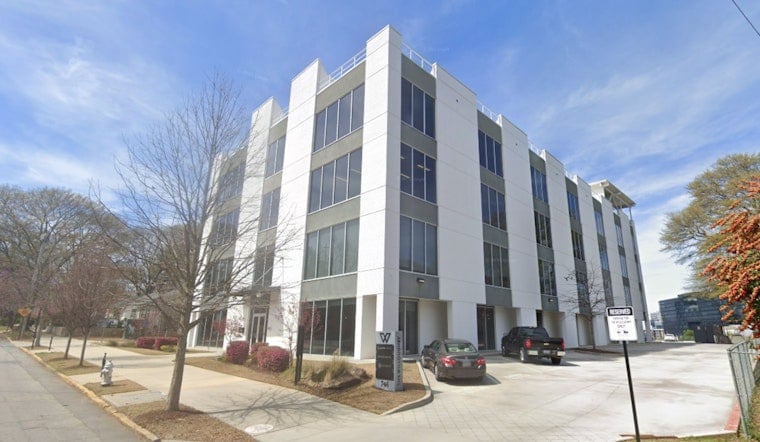
The Atlanta Beltline has bought a four-story office building near the Eastside Trail, paying $16.5 million to preserve lower-cost commercial space in a rapidly changing Old Fourth Ward. The Willoughby, a roughly 60,000-square-foot property with a tenant roster that includes creative and tech firms, will keep its current occupants in place while the Beltline explores using part of the building itself. The move is being cast as part of the agency's effort to hold down rents in a stretch where demand from big employers and high-end landlords has pushed prices up along the trail.
The Deal, the Building and the Price
According to Bisnow Atlanta, Atlanta BeltLine Inc. paid $16.5 million for 746 Willoughby Way NE, a roughly 60,000-square-foot creative-office building located about a mile south of Ponce City Market, and property records show the sale closed on May 18. The seller was San Francisco-based Stockbridge Capital, which paid about $23.8 million in 2019, and marketing materials list a 3,800-square-foot rooftop amenity and free parking that appeal to tenants. The building, developed by Tecton Builders and Cross-Town Realty, had lost some occupancy since Stockbridge's purchase but still houses agencies and technology firms.
Beltline Says It Is Protecting Affordable Space
Atlanta BeltLine officials are framing the purchase as a way to preserve below-market commercial space for legacy and small businesses. As reported by The Atlanta Journal-Constitution, Clyde Higgs, the agency's president and CEO, said the acquisition "represents a unique market opportunity to preserve an important source of commercial affordability in one of Atlanta's most competitive and rapidly evolving corridors." The Atlanta Journal-Constitution also notes that asking rents along the Eastside Trail average nearly $63 per square foot, which helps explain why the Willoughby's below-market rates carry extra weight in the neighborhood.
Tools the Beltline Uses to Hold Costs Down
Atlanta BeltLine has been rolling out programs meant to create and protect lower-cost commercial space, from a Beltline Marketplace incubator to incentive funds aimed at supporting small business tenants. The Atlanta BeltLine website details these pilots and the small-business incubator program that installs affordable storefronts and provides coaching to entrepreneurs along the loop, often in partnership with community groups and philanthropic grants. Those efforts, the agency says, are meant to stabilize commercial opportunity for legacy, small and minority-owned enterprises in the corridor.
Money and Politics
How the Beltline pays for preservation moves ties into a broader debate over tax-allocation district funding and the city's reinvestment plans. Local reporting shows Mayor Andre Dickens recently scaled back his Neighborhood Reinvestment Initiative and proposed dropping the Beltline TAD from an original slate of TAD extensions, a development noted by Rough Draft Atlanta that could affect how much dedicated TAD revenue is available once the Beltline TAD reaches its 2030 expiration. That tug-of-war over financing will shape whether the agency can use public tools to buy and hold more below-market commercial properties in the years ahead.
What This Means for Tenants
Existing tenants, from advertising agencies to technology firms, are expected to remain in place, and the Beltline said it may occupy a portion of the property in the future, signaling a preference for stabilized, mixed-use occupancy. The purchase preserves one of the few submarket options asking below-market rates in an area where landlords regularly command premiums for Beltline frontage. For neighborhood businesses and workers who rely on affordable local offices, the buy is a short-term win, while the long-term picture will depend on how the city and the Beltline choose to fund further preservation efforts.




