

























































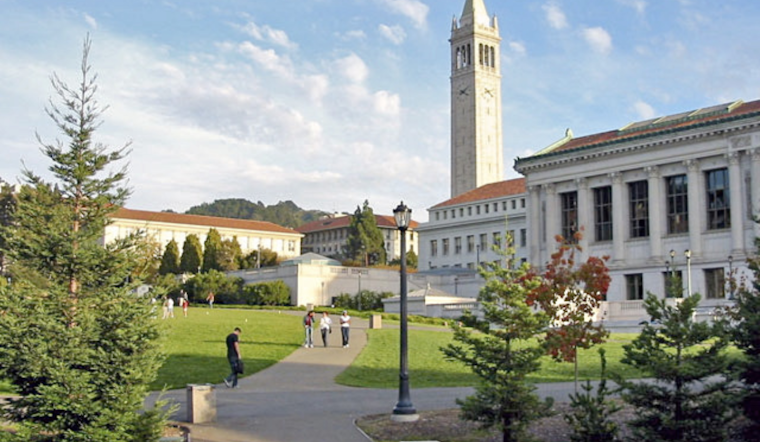
This spring, a wave of failing grades crashed into several introductory and lower-division computer science classes at UC Berkeley, blindsiding both students and instructors. Far more students than usual walked away with Fs or withdrew from the courses, and in the scramble to respond, some classes tightened grading schemes or even dropped big projects. The spike has turned up the volume on an already heated debate over AI in homework and whether incoming students are really prepared for college-level math.
As reported by The Daily Californian, department data show fail rates in spring 2026 that were wildly out of step with past terms: about 35.3% of students in CS 10, 16.8% in EECS 127 and 10.6% in CS 61A received Fs. Those numbers tower over the electrical engineering and computer sciences department's usual expectation that only a small fraction of students end up with D's or F's in lower-division courses.
Professor Dan Garcia, who teaches CS 10, told The Daily Californian that a vast increase in academic dishonesty tied to students' use of large language models has been a major driver. Nearly 30 students in his CS 10 sections were caught cheating on take-home exams this spring, he said, adding that some instructors are shifting away from curves to fixed point cutoffs. The CS 10 syllabus, which spells out strict integrity rules and warns that cheating can earn an automatic F, is posted on the course website.
AI Use Linked To More Cheating, Study Finds
A large study coordinated through UC Berkeley's Center for Studies in Higher Education surveyed roughly 95,000 undergraduates and found a clear pattern: students who use generative AI more often are more likely to report cheating, especially those who tap AI tools every day. The research and an interview with lead author Igor Chirikov are summarized by the University of California, which suggests rethinking how courses assess learning rather than trying to impose blanket bans on AI.
Faculty Push For Standardized Testing And Other Fixes
Concerns about shaky math skills are also bubbling up. More than 600 University of California professors signed an open letter pressing for the return of SAT or ACT scores for STEM applicants, according to the Los Angeles Times. That call, combined with a UC San Diego report showing sharp increases in students testing below high school math standards, has pushed the system's Academic Senate to weigh a policy roadmap on admissions and placement.
What Comes Next For Students And Instructors
Faculty and department leaders say there is no single magic fix. They point instead to a mix of clearer AI policies, more instructional support and stronger K-12 math preparation as the realistic path forward. The shake-up has arrived alongside a modest dip in UC computer science majors across the system, a trend reported by TechSpot, suggesting the field is quietly recalibrating as AI tools reshape both jobs and classrooms. For Berkeley students, instructors and administrators, the upcoming fall term and the Academic Senate's decisions will reveal whether this spring's fail surge was a one-off anomaly or the start of a longer, rougher learning curve.





