

























































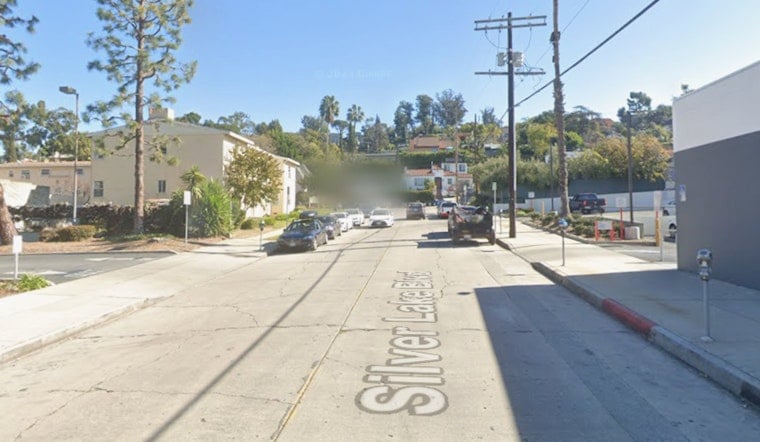
On Thursday, the Los Angeles City Planning Commission signed off on a major expansion of the Silver Lake Garden Apartments, clearing the way for 76 new one‑bedroom units at 2413 N. Silver Lake Boulevard. The infill project will plug three new buildings - one four‑story and two five‑story structures - into what are now parking areas, stacking the new homes over a two‑level subterranean parking system.
The existing 48‑unit, rent‑stabilized complex will stay standing, with developers pledging to preserve the older two‑story buildings while adding the new construction around them. Six of the new apartments are slated for very‑low‑income households. With its deep excavation and multiple new structures, the buildout is poised to be one of Silver Lake's larger infill projects in recent years.
The commission's approval came after an earlier continuance that commissioners used to dig deeper into entitlements, transportation impacts, and potential construction fallout for current tenants, according to Urbanize LA. The application was filed in 2024 by co‑applicants and property owners Fang Qian Morgan and Seth James Morgan. A design team led by DFH Architects is proposing landscaped walkways and courtyards as buffers between the new buildings and the older garden‑style apartments.
Project Scope and Approvals
Planning documents show the expansion would add roughly 71,269 square feet of new floor area, bringing the total unit count on the site to 124. The 76 new apartments would sit above 119 parking stalls spread across three two‑level subterranean garages, as outlined in the staff packet from Los Angeles City Planning (PDF).
The same report details 59 long‑term bicycle parking spaces and six short‑term bike spots, the removal of four non‑protected trees, and a commitment to plant 144 replacement trees. Excavation is expected to export about 35,600 cubic yards of soil, a volume that helps explain neighborhood anxiety about construction impacts.
To hit its proposed size and layout, the project requested a state density bonus and several off‑menu waivers, including a taller maximum height and reduced setbacks. Those requests became a flashpoint in public testimony, with supporters citing the housing shortage and critics warning of overdevelopment on a tight hillside site.
Design and Developer
DFH Architects is listed as the project's designer, with filings naming Fang Qian Morgan and Seth James Morgan as co‑applicants and Alchemy Planning + Land Use as the representative for the entitlement package, according to Urbanize LA.
Renderings submitted with the application show the new buildings stepping back from Silver Lake Boulevard and connecting to the existing garden apartments through planted courtyards and walkways. The stated goal is to keep the current rent‑stabilized units intact while adding more one‑bedroom homes on site, rather than clearing the property entirely and starting from scratch.
Tenant Concerns and Neighborhood Reaction
Not everyone is sold on the plan. Longtime tenants and neighborhood groups have warned at prior hearings that years of heavy construction and deep excavation for underground parking could effectively push residents out, even if their units are not officially demolished.
A local petition organized by Smart Growth Silver Lake criticizes the requested waivers and alleges ongoing maintenance problems at the existing complex, framing the expansion as a recipe for potential "reno‑victions." That petition, posted on Change.org, also flags concerns about traffic and safety during the buildout. Those complaints helped persuade commissioners to delay a vote earlier this spring while staff pulled more information together.
Approvals, Waivers and Legal Pathway
The development team requested a California Environmental Quality Act (CEQA) exemption under AB 130, alongside density‑bonus incentives and waivers that cover an increase in maximum building height plus reductions in required setbacks and passageway widths, according to Los Angeles City Planning (PDF).
In return, six of the new apartments would be set aside for very‑low‑income households and restricted for 55 years as part of the project's density‑bonus obligations. Those affordability covenants, along with all other entitlements, must be finalized and recorded before building permits can be issued. Affected parties still have the option to pursue administrative appeals or take the matter to court within the timelines laid out by state and local law.
What's Next
With the commission's decision on the books, the case (CPC‑2024‑5534 / ENV‑2024‑5535) now moves into the nitty‑gritty phase of permits, inspections and contractor selection, according to city project pages and local coverage. Records with the Department of City Planning show the application has been under review since 2024 and will still have to clear ministerial permits, tenant‑protection planning, and construction‑staging approvals before any major excavation starts.
Neighbors and tenant advocates say they will be watching those filings closely and may push for conditions aimed at cutting down on noise, dust and disruption. The approval is a significant step for adding housing in central Silver Lake, but the real political stress test will be whether the developers can build it out without forcing out the people who already live there. City staff are expected to scrutinize tenant‑safety measures and staging plans as the project edges toward groundbreaking.





