

























































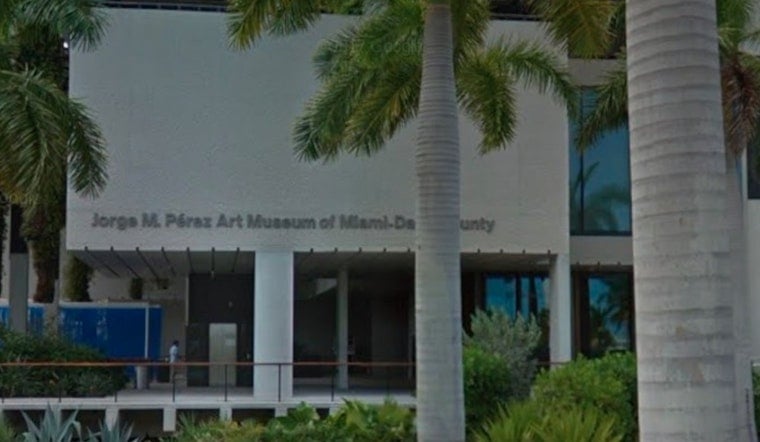
On a breezy night by Biscayne Bay, Black queer storytellers turned Pérez Art Museum Miami’s terrace into a packed waterfront block party, complete with DJs, short films and spur-of-the-moment line dances. The vibe was celebratory, but the subtext was clear: a new state law is bearing down on local LGBTQ+ programs, and artists say getting their stories on screens and into public spaces is now a frontline defense. For many in the crowd, the evening doubled as both a rehearsal of joy and a live argument for why representation should stay funded and visible.
The Masisi x PAMM block party, held last Thursday on the museum’s outdoor deck, mixed music, film and performance with hands-on workshops, a queer line dance and a slate of short films, according to the museum’s event page. Billed as Pride programming curated with Masisi Radio, the night centered Black queer DJs, filmmakers and performers. The schedule featured workshops, a Club Sinema film loop and DJ sets on the waterfront terrace, all laid out on the Pérez Art Museum Miami site.
Organizers and participants told The Miami Times they see film and media as essential tools to shift public attitudes, and that this work is now under pressure from recent state action. County records show the Miami-Dade LGBTQ Advisory Board was created by ordinance in 2019 to advise officials on policy and programming, according to Miami-Dade County.
Producers at the party pointed to short films and festival projects as the kind of nuanced storytelling they want to see reach wider audiences. NEWBIES, a 2025 short that credits Mischaël Cetoute as one of its executive producers, has been circulating on the festival circuit and was cited by panelists as an example of intimate, character-driven work that can nudge perceptions. The film is featured by HIFF.
State law and the deadline
At the state level, CS/CS/SB 1134 bars counties and municipalities from funding, promoting or taking official action related to diversity, equity and inclusion. The prohibition is scheduled to take effect January 1, 2027. Legal briefings and industry analyses say the measure will force local governments to rewrite grant rules, shut down DEI offices in some areas and roll out new certification requirements for vendors and grantees, according to the National Law Review.
Local budgets and advisory boards
That timeline has Miami-Dade and other counties racing to figure out which initiatives can continue and which may have to be wound down. Programs that rely on county grants or formal sponsorships are the most exposed. The LGBTQ Advisory Board that commissioners created by ordinance in 2019 now faces a murky budget outlook for next year unless county leaders find alternate funding or carve out some form of exemption. Meeting minutes and ordinance files document the board’s formation and duties, and those same records are now being scrutinized through the lens of the new state restrictions, according to Miami-Dade County.
Voices at the block party
“Building allyship is important for the Black queer community,” Dr. Travis L. Stokes told The Miami Times, calling for coalitions that stretch across neighborhoods and institutions. Producer Mischaël Cetoute added that “Black queer filmmakers can change public narratives by telling nuanced stories,” a line that echoed throughout panel conversations that spotlighted local, small budget projects as a way to reach skeptical viewers. The takeaway was practical: consistent visibility and strong craft, they argued, can soften political blowback and win allies in places where support might not be guaranteed.
Why storytellers say it matters
Organizers said the push feels especially urgent because public opinion has slipped from recent highs. Gallup’s May 2026 Values and Beliefs survey reported declines from peak levels of support on issues such as legal same-sex marriage and the moral acceptability of gay and lesbian relations, with the sharpest drops among Republican respondents, according to Gallup. That backdrop, attendees argued, turns local festivals, museum series and community screenings into both cultural stages and civic interventions.
For now, artists involved with Masisi x PAMM say they plan to keep curating programs and pushing their work into museums, festivals and online platforms while advocates press county officials for budget details and possible legal strategies. Between fundraising, policy advocacy and the day-to-day grind of making films that center Black queer lives, the hope is to turn a burst of visibility into more durable protections. Until January 1, 2027, the work will be part legal planning, part revenue hustle and part relentless storytelling, and in Miami that story is currently unfolding on a terrace by the bay.





