

























































Michael Bloomberg is opening the taps on a fresh surge of climate philanthropy, steering hundreds of millions of dollars toward oceans, clean energy and city air from his New York base of operations. The new package links global conservation and technology grants to the kind of city-focused policy work Bloomberg’s foundation has been pushing for years.
According to The New York Times, Bloomberg Philanthropies is rolling out roughly $590 million in new environmental commitments. About $260 million is slated for ocean projects, $285 million for efforts that speed up renewable energy, and around $45 million will support cleaner air in major cities.
Where the Money Will Go
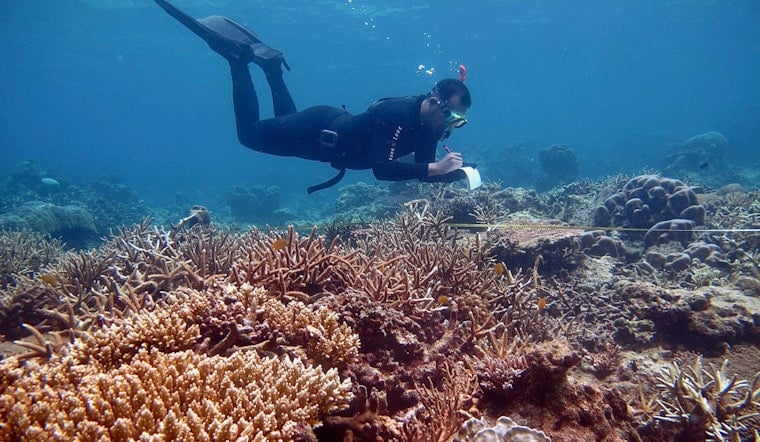
Bloomberg Philanthropies says the ocean funding will support coral-reef restoration and new marine protected areas, including work in international waters. Grants are set to flow to scientific and advocacy groups that can turn paper protections into real-world enforcement and action on the water. The Wildlife Conservation Society (WCS) is listed as a partner on reef monitoring and community-based conservation, and data platforms such as Global Fishing Watch are expected to play a central role in tracking vessels and supporting compliance.
Clean-Energy Push
The $285 million clean-energy pledge is designed to speed the shift away from fossil fuels by backing industry groups, regulators and data tools that help make large renewable projects attractive to investors. Coverage of the announcement notes that funds are aimed at breaking down deployment barriers and building capacity in places where that can quickly unlock private capital. SmartCitiesWorld reported on Bloomberg's clean-energy commitment.
City Air and Breathe Cities
Roughly $45 million will go toward expanding Bloomberg’s city-level air-quality work, building on the Breathe Cities program. That effort combines sensor networks, local data and mayor-led policy playbooks to cut urban pollution. Bloomberg Philanthropies frames it as a city-first strategy that leans on mayoral networks to spread evidence-based fixes that have already been tested. The foundation outlines its city work and wider environment portfolio in its program materials at Bloomberg Philanthropies.
Climate Data, Rebooted
Alongside the funding news, a group of former federal staffers has launched a nonprofit successor to the shuttered Climate.gov site. The new platform, climate.us, went fully live on Tuesday and is led by former NOAA communicators. Rebecca Lindsey, who helped build Climate.gov and now runs climate.us, described the site as “effectively the first full clone of the original Climate.gov,” as reported by The New York Times. The project also posts team bios and a mission statement on its About page at Climate.us.
What It Means for New York
For New York, the announcements hit close to home. The Wildlife Conservation Society is headquartered in the city and has been a long-time Bloomberg partner on reef and fisheries projects. That means New York-based scientists and institutions could see more field monitoring, research contracts and policy work tied to the new funding. WCS details its marine programs and its partnership under the Bloomberg Ocean Initiative at WCS.
Big Money, Big Questions
Advocates are greeting the influx as a significant boost for ocean conservation and clean-energy efforts that often run on tight budgets. Analysts, however, note that even headline-grabbing rounds of philanthropy do not replace steady public funding and multilateral finance. The timing still matters. Private dollars can help turn recent diplomatic wins into on-the-water protections, but long-term enforcement and policy stability depend on governments and international cooperation. For more on Bloomberg-style grantmaking, see Inside Philanthropy, and for background on the High Seas Treaty, see the High Seas Alliance.
Next Steps
Bloomberg Philanthropies and its partners are expected to release more details on grants, timelines and specific sites in the coming weeks. Announcements around particular marine protected areas, reef-restoration pilots and clean-energy capacity programs are likely to follow. Data and monitoring platforms such as Global Fishing Watch are set to be key tools for tracking whether the new protections actually cut illegal fishing and habitat loss.


