

























































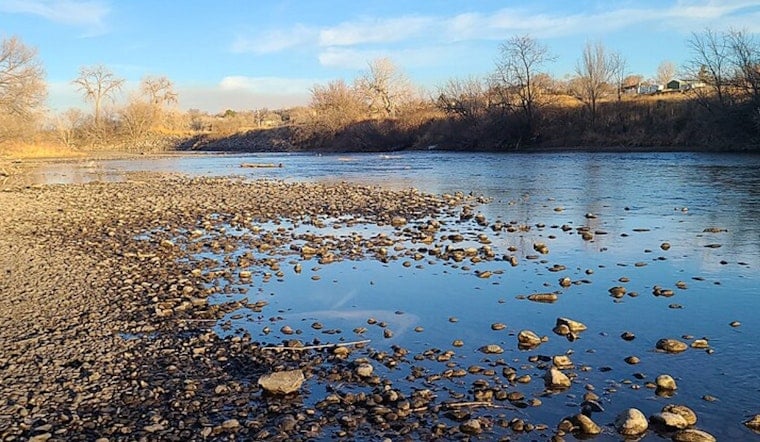
Colorado’s whitewater season is officially open, but the rivers look more like late August than early June. From Salida to Clear Creek, outfitters are staring at skinny channels, shuffling launch points, trimming trip lengths, and revisiting safety plans. Communities that depend on summer raft traffic are gearing up for a season where the crowds may show up, but the water might not.
Rivers Running at a Fraction of Normal Flow
Heading into June, longtime Salida paddler Mike Harvey said some Arkansas River sections were moving at roughly 350 cubic feet per second, while Memorial Day flows in a typical year are closer to 3,000 cfs. That gap reflects a weak, early snowmelt and limited help from upstream reservoirs, leaving classic runs “so much skinnier” than usual. This detail was reported by The Denver Gazette.
Industry Numbers Show What Is on the Line
The Colorado River Outfitters Association’s year-end report logged 496,999 commercial user days statewide in 2024, an 8.4% drop from 2023, and pegged the industry’s economic impact at about $209 million. Those numbers underline that low flows do more than disappoint adrenaline junkies; they ripple through payrolls, reservations, and the small businesses that count on raft-driven traffic. The data come from the Colorado River Outfitters Association.
Reservoir Releases Unlikely to Rescue Summer Flows
For years, the Voluntary Flow Management Program has timed releases from Twin Lakes and Turquoise reservoirs to boost the Arkansas River in July and August for recreation. This season, those extra pulses are expected to be limited as agricultural and municipal deliveries take precedence. Meeting notes from regional VFMP discussions and local water managers indicate municipalities are “unlikely to release water from Pueblo Dam,” in order to safeguard supplies for essential uses. That assessment appears in the Arkansas Basin meeting summary.
Outfitters Pivot to Keep Boats Moving
Raft companies say they are already adjusting. Trips are being shifted to deeper sections, runs shortened, and inflatable kayaks pushed as a way to keep things exciting at modest flows. Many operators are also leaning harder on lodging packages and dry-land offerings to fill the gap. “We dance to this music all the time,” Echo Canyon owner Andy Neinas told reporters, even as others warned that a rough year on the water can spill into future seasons. Those on-the-water perspectives and strategy details come from local interviews and coverage reported by The Denver Gazette.
Climate Conditions Helped Set the Stage
Federal climate records show March 2026 was the warmest March on record for the contiguous United States, a heat spike that pushed snowmelt earlier and left mountain snowpacks thin. That timing reduced the volume of water available to feed rivers through the summer and raised the odds of a low-flow rafting season across the West. This context is outlined by NOAA's National Centers for Environmental Information.
Festival Season and Local Cash Flow on Edge
On the calendar, nothing has changed: the FIBArk Whitewater Festival is slated for June 18–21, 2026, and, in a normal year, thousands trail the river into Salida all summer. Organizers and outfitters say the races are still expected to run, although some heats or specific events may be tweaked to match the low flows, and Main Street businesses are watching river gauges almost as closely as the weather. Event details are posted on the festival site, while official flow guidance is updated by state park staff. For schedules and advisories, see FIBArk and the Arkansas Headwaters Recreation Area waterflow page from Colorado Parks and Wildlife.
Guides and outfitters say they will lean on flexibility and experience to navigate a year when water, not demand, is the wild card. Whether that is enough to protect jobs and the small towns that live on rafting revenue is the unresolved question as Colorado settles into what could be its new normal for summer flows.





