

























































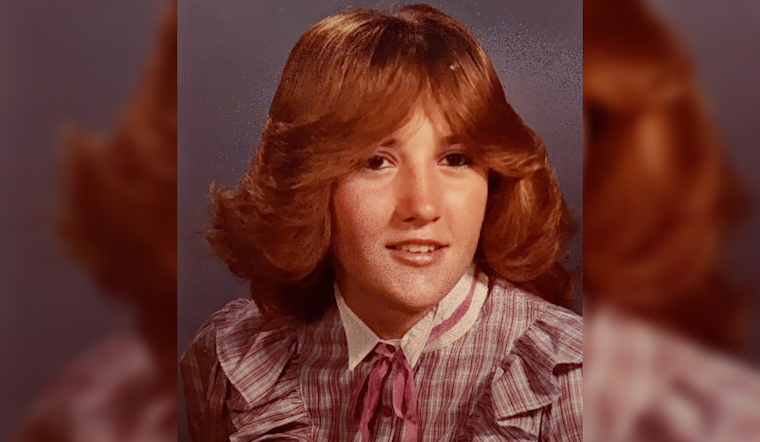
After more than three decades, the woman long known only as “Bone Lake Jane Doe” finally has her name back. Authorities on Thursday said remains recovered in 1993 have been identified as Denise Elaine Hartley, who was 27 when she disappeared. A skull pulled from Bone Lake in Scandia and a left foot that later washed ashore near Pig’s Eye Lake in St. Paul were ultimately tied to living relatives through lab work, and investigators say the case is still very much open.
Washington County detectives and the Ramsey County Medical Examiner teamed up with the nonprofit Pioneer Press reported, reopening the cold case and working to obtain family DNA to confirm a match. The effort drew on volunteer genealogists and specialized laboratories, as outlined by the DNA Doe Project, and investigators say a social-media post mentioning Denise’s disappearance around 1993 turned out to be crucial. “Cases like this stay with you,” Detective Clayton Evens said, adding that new forensic tools gave the team hope that old questions might finally get answers. Anyone with tips is asked to call 651-430-7850.
How the remains were found
On June 12, 1993, someone walking near Bone Lake in New Scandia Township spotted what looked at first like a discarded mannequin head floating in the water. It was a human skull. A few days later, a left foot surfaced along the Mississippi River bank near Pig’s Eye Lake in St. Paul. Examiners concluded the skull and foot came from the same person but could not match them to any missing individual, so the unidentified remains went into national databases.
The original descriptions, preserved in The Doe Network case file, became a reference point that volunteers and investigators kept returning to as genetic technology evolved. For years, though, the woman’s identity stayed stubbornly out of reach.
How DNA led to a name
The Ramsey County Medical Examiner’s Office eventually submitted DNA extracts from the remains for advanced sequencing, and the case was accepted by the DNA Doe Project. With help from partner labs, volunteers used investigative genetic genealogy to build out family trees and narrow in on a likely match, a process Pioneer Press detailed.
Investigators then obtained a DNA sample from a living relative, and the Minnesota Bureau of Criminal Apprehension confirmed the identification through laboratory analysis. Officials emphasize that the breakthrough came from painstaking lab work and genealogical leads, not from a single tip or dramatic eyewitness account.
Investigation and next steps
Authorities say both the cause and manner of Denise Hartley’s death remain undetermined, and no arrests have been made. Even so, detectives are treating the case as an active homicide investigation.
The Washington County Sheriff's Office lists general contact information on its official site and is urging anyone with information to come forward. Relatives have been notified, and investigators say they are still chasing leads. They are particularly interested in hearing from people who might have photos, records, or memories tied to the Twin Cities area in the early 1990s.
Why this matters
The Bone Lake identification fits into a larger shift in cold-case work, where improved DNA sequencing and investigative genetic genealogy are finally putting names to those long recorded as “unknown.” Coverage of this and similar cases has traced how earlier technological limits stalled progress, and how nonprofits, niche labs and law enforcement have begun working together more closely to get around those roadblocks.
For families and investigators alike, a confirmed name changes everything. It reframes the investigation, reshapes old timelines and can send detectives back into the field with a much sharper focus. Officials say the Hartley case remains active, and they again urged anyone with information to contact Washington County detectives through the sheriff’s office.





