

























































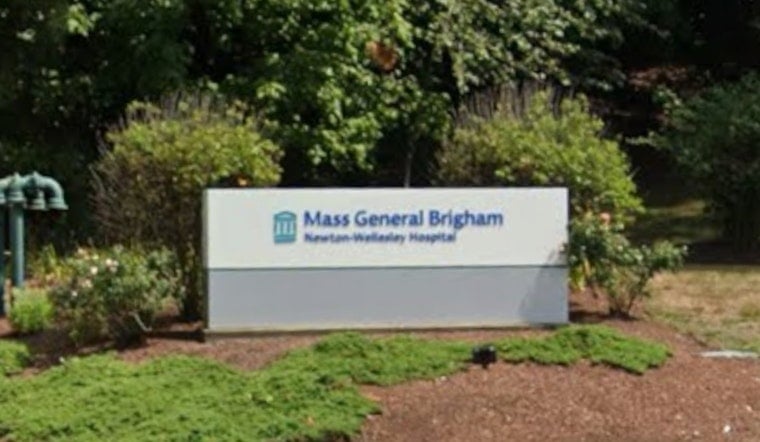
The fifth floor of Newton‑Wellesley Hospital, home to its maternity unit, is now at the center of an unsettling medical mystery. New reporting details 11 current and former nurses from that unit who have been diagnosed with brain tumors, expanding earlier counts and stoking fresh anxiety among staff. The latest account includes age ranges, hiring windows and tumor types, and notes that some tumors were confirmed on tissue while others were identified on imaging.
What the New Reporting Lays Out
As reported by the Boston Herald, the case list comes from an independent review the paper describes as Harvard linked, which it says concluded the workplace was not the cause of the tumors. The Herald published a case by case rundown that it says includes six meningiomas, two gliomas, two pituitary adenomas and one optic nerve schwannoma among the 11 nurses, and notes which of those diagnoses were tissue confirmed and which were based on imaging.
What the Hospital Checked and What It Found
Newton‑Wellesley and Mass General Brigham say their Occupational Health Service led the internal inquiry, which included interviews with affected staff, air and water sampling and checks on radiation and pharmaceutical safety. In an update posted on its website, the hospital says Occupational Health Service staff interviewed 11 employees who worked on the fifth floor and identified six staff members with benign brain tumors, while other reports were categorized as different health concerns, and that no environmental risks were found, according to Newton‑Wellesley Hospital.
Union Pushback and Public Skepticism
The nurses union has questioned how far the hospital’s testing really went and has called for a fully independent review, according to reporting by the Boston Globe. State officials have said they are in communication with the hospital as the situation continues to be evaluated, according to coverage that summarizes public health contacts from MedicalXpress.
Inside the Herald’s Case List
The Herald’s account, which does not name any patients, reports that all 11 identified staff are women and lays out age ranges and hiring period windows for each case, while also separating tumors confirmed on tissue from those recorded on imaging. That level of case detail goes further than the hospital’s earlier public summaries and has triggered renewed calls for transparency from some current and former staff, according to the Boston Herald.
Why Experts Are Pumping the Brakes
Epidemiologists note that apparent clusters can arise by chance and that proving a workplace link takes methodical study that accounts for age, sex, medical history and background rates of brain tumors in the surrounding region. “Without additional information, no conclusion can be reached,” an expert told the Boston Globe, underscoring why many scientists favor an outside epidemiologic review before anyone declares the maternity unit the culprit.
What Happens Next
The Massachusetts Nurses Association says it is continuing its own inquiry and is urging current and former staff to come forward with medical records and timelines, while Newton‑Wellesley maintains that its environmental testing has not identified a hazard and is directing questions to its patient and family relations team, according to reporting by NBC Boston. State public health officials have not announced a separate formal investigation but say they remain in contact with the hospital, according to MedicalXpress.
For now, the newly public case list deepens the uncertainty hanging over the fifth floor and the surrounding community. Without a full independent epidemiologic review, experts say the most likely explanations remain either a chance cluster or an exposure that could be extremely difficult to confirm after the fact. Hospital leaders continue to emphasize that no ongoing environmental risk has been identified, while the union and outside observers keep pressing for more transparency and independent analysis.


