

























































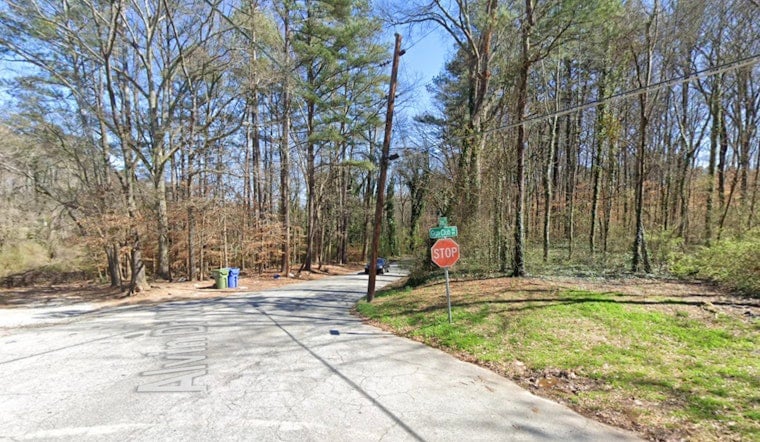
Atlanta officials on Wednesday picked a development team led by local homebuilder Brock Built to finally tackle the long-vacant Gun Club Park site on the city's Westside. The plan is to turn the 44-acre, heavily wooded property, which closed as a park decades ago, into a mix of housing and neighborhood amenities, with new public green space and connections to nearby trails.
According to Atlanta Business Chronicle, the chosen team plans a spread of detached single-family homes, townhomes and small apartment buildings across the former park. Early renderings show low-rise residential blocks, internal greenways and neighborhood streets, not high-rise towers.
Per City of Atlanta, the project is being advanced by the Atlanta Urban Development Corporation and pitched as a trail-oriented community that links into the Proctor Creek Greenway and Westside Reservoir Park. City officials say the design is meant to stitch the site back into surrounding Westside neighborhoods while also delivering affordable units.
The property once operated as a private shooting range before it was decommissioned as a park and left largely overgrown. The city formally sought development partners through an RFQ in late 2024, and outlets such as Urbanize Atlanta tracked the background and early planning for the site.
Earlier planning materials and reporting indicate the build could produce more than 200 permanent affordable units, with targets to preserve roughly 40% of the existing tree canopy on the site. The Real Deal reported those affordability and preservation goals along with the project's guiding principles.
What the plan would include
The early concept leans into a neighborhood scale, with detached homes, townhomes and low-rise apartment buildings clustered around green corridors and trail connections. That setup is meant to prioritize walkability and trail access instead of dense, tower-style construction, according to Atlanta Business Chronicle.
Soil concerns and remediation
Because the land was used for skeet and shooting ranges for much of the 20th century, environmental reviews have flagged potential lead and shotgun-pellet contamination in surface soils. Per SaportaReport and a Phase I environmental site assessment on file with the city, sampling and targeted cleanup will be required before residential construction can move ahead.
Timeline and next steps
With a team now selected, AUD is moving into more detailed environmental testing, community engagement and master planning. Permitting and remediation will shape the schedule for a phased build-out. As outlined in Atlanta Urban Development Corporation materials, the RFQ decision is only the start of a multi-step process that includes design work, public outreach and formal approvals.
Legal and procedural notes
The site comes with a complicated paper trail. A 2021 City Council action advanced a land swap tied to Brock Built that watchdogs said raised procurement questions, and that history influenced how the city structured the RFQ and selection this time. Public records and reporting outline why transparency around affordability commitments and remediation funding remains a focus for neighbors and oversight groups, and they point back to the City Council file and related coverage for the public record. Atlanta City Council documents and SaportaReport detail that earlier chapter.
Officials say they will release more information on phase timing, affordability commitments and upcoming community meetings as the master plan advances. We will continue to track filings and city notices and will update this story as new documents and design materials are made public.





