

























































Rent money is supposed to move from a tenant’s mailbox to a landlord’s bank account, quietly and without drama. In Brooklyn, prosecutors say it took a detour into a yearlong theft scheme that left renters scrambling to prove they had paid up.
Two people were arrested in Brooklyn after prosecutors said they stole more than $25,100 in rent payments that tenants had mailed to their landlords. Authorities allege the scheme relied on altered money orders that were then cashed at post office windows across the borough. Prosecutors say the thefts unfolded over roughly a year, from August 2024 through August 2025, with the arrests and related court filings made public on June 29, 2026.
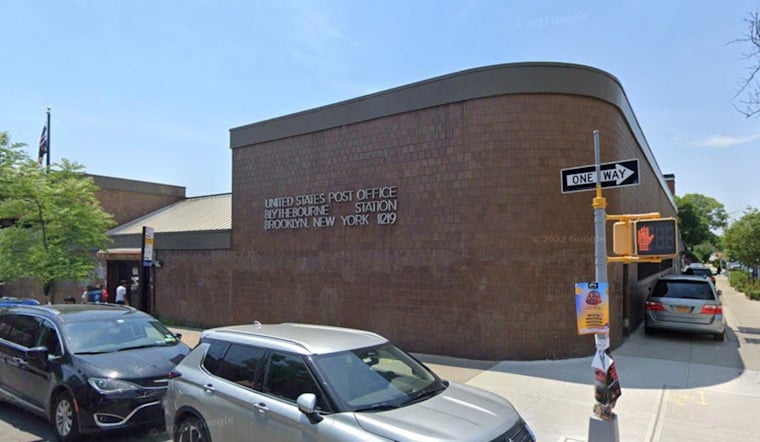
Prosecutors identified the postal worker as 30-year-old Bianca Graham of Astoria and her alleged accomplice as 36-year-old Sean Campbell of Prospect Lefferts Gardens. Court papers say the pair targeted 13 victims and stole more than $25,100 in mailed rent money orders; the indictment also references a third, redacted co-conspirator who has not yet been apprehended. According to court filings, Graham was assigned to the Blythebourne Station in Borough Park. Both defendants were arraigned and released without bail, according to reporting and court records cited by the New York Daily News.
How Prosecutors Say the Scam Worked
Investigators say the conspirators took legitimate rent money orders out of the mail, altered the payee names, and then cashed them at different post office counters around Brooklyn to avoid drawing attention. The indictment cites an August 24, 2024 message from Graham that reads, “i only took 1 and it’s a (money) order,” along with other messages that prosecutors say show the group coordinating trips from branch to branch.
When confronted in October, Graham initially denied stealing mail, according to court documents, and later acknowledged taking part while claiming she acted under duress. Brooklyn District Attorney Eric Gonzalez said prosecutors believe “these defendants exploited that trust,” referring to the public’s reliance on the mail system, according to the New York Daily News.
Why This Hits Home in Brooklyn
Low-tech mail theft tactics like “mailbox fishing” and check-washing have made an unwelcome comeback in recent months, according to local law-enforcement alerts, and the fallout often lands hardest on renters who can least afford a missed payment. Police in the NYPD’s 70th Precinct urged residents to bring checks and money orders inside post offices, and to use permanent, pigmented ink that is tougher to alter, guidance that was highlighted in a report on how mailbox bandits reel in checks as cops sound alarm.
The Brooklyn arrests slot into a broader push by postal inspectors and city police to get ahead of what they describe as a spike in mail-related fraud. For tenants and small landlords already juggling tight budgets, a single missing money order can quickly trigger late fees, eviction threats, and a lot of heated phone calls.
How to Protect Yourself
Anyone who recently mailed a rent payment is being urged to double-check that it arrived intact. That means comparing bank images or money order receipts with your landlord’s records and filing a police report if a payment never showed up or appears to have been cashed by someone else.
The U.S. Postal Inspection Service recommends handing rent payments directly to a postal clerk whenever possible, using indelible pens so payee names cannot be easily washed off, and reporting suspected fraud through its hotline or online portal. Officials note that PS Form 6401 can be used to start an inquiry into a missing or already cashed money order. More detailed guidance is available from the U.S. Postal Inspection Service and consumer resources on filing PS Form 6401.
The defendants are scheduled to return to Brooklyn Supreme Court on August 26, 2026, and the investigation remains open. For now, tenants and landlords who spoke with authorities have treated the case as a blunt reminder to keep careful paper trails and, whenever possible, to shift recurring rent payments to secure electronic methods.




