

























































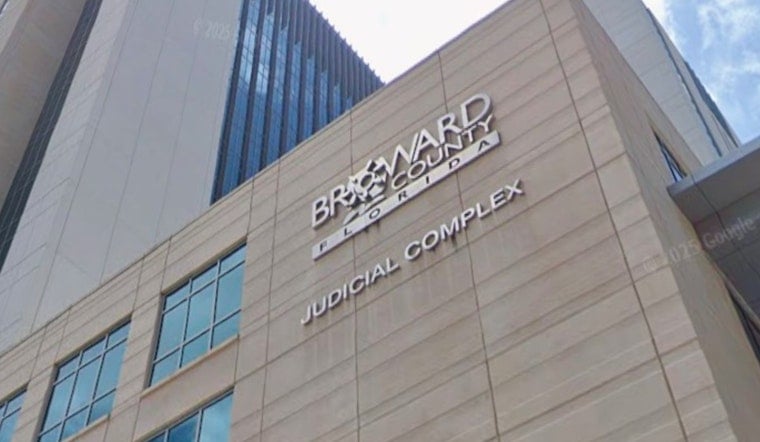
A Broward County judge on Friday wiped out the pleas, convictions and sentences of 42 people caught in reverse-sting crack cases from the late 1980s and early 1990s. State Attorney Harold F. Pryor asked the court to clear those records after prosecutors concluded that law enforcement had manufactured the crack cocaine used in the operations. Some of the people named are already dead, and prosecutors say many more could still have convictions on the books that a broader review may ultimately erase.
The clean-up began with a routine records check, when prosecutors found old case files that were about to be destroyed and discovered hundreds of arrests that had never been formally vacated. According to the Broward State Attorney's Office, the review could reach as many as 2,600 cases. The office says it will file motions to vacate judgments and then evaluate whether those cases qualify to be sealed or expunged. "It is never too late to do the right thing," Pryor said in the office's release.
In a Fort Lauderdale courtroom, Pryor went down a list of 42 defendants, reading out names and case numbers while Broward Circuit Judge Andrew Siegel vacated each plea, conviction and sentence. As reported by the Sun-Sentinel, none of the defendants or their lawyers showed up for the hearing, and some of those whose records were cleared have already died. Prosecutors say the brief courtroom session was only the first public step in what they expect to be a much larger overhaul of the county's dusty archives.
What the 1993 ruling said
The legal foundation for the mass vacatur is State v. Williams, a 1993 Florida Supreme Court decision that found it violated state constitutional due-process protections for law enforcement to manufacture crack cocaine for use in reverse-sting operations. The court said the police conduct in those cases was "so outrageous" that the resulting convictions could not stand. See the court's opinion on Justia for details.
How the stings worked and why they remained controversial
Investigations at the time showed that chemists at the Broward Sheriff's Office converted seized powder cocaine into crack, packaged the rocks and handed them to undercover deputies who then used the drugs in reverse-sting buys. Critics later argued that this practice not only manufactured evidence but also created obvious risks for surrounding neighborhoods. Those stings generated hundreds of arrests, including cases within 1,000 feet of schools that carried mandatory minimum sentences under then-existing Florida law. As reported by the Tampa Bay Times, the fallout from those prosecutions has lingered for decades, limiting people's ability to secure jobs, housing and other opportunities long after they left the criminal justice system.
What happens next
Prosecutors say they will now move case by case, filing motions to vacate judgments, trying to locate and notify people whose cases are affected, and then deciding whether the vacated cases qualify for sealing or expungement. According to the Broward State Attorney's Office, Assistant State Attorneys Joel Silvershein and Steven Klinger will lead the review. Members of the public with questions can email [email protected] or call 954-831-6543. The office stresses that people do not have to contact prosecutors to be included in the review, since staff plan to examine all relevant files.
Legal implications
Vacating a conviction removes the formal judgment from a person's record and can clear away many of the collateral consequences that follow a criminal case. It does not, however, automatically provide financial compensation or undo the personal and family damage those prosecutions may have caused. The 1993 Florida Supreme Court ruling in State v. Williams remains the controlling precedent cited by prosecutors to justify these filings, and the office says each case will be evaluated individually under that standard. People who believe they are affected and want legal advice should consult an attorney or contact the State Attorney's Office for information about sealing, expungement and potential next steps. Florida Supreme Court





