

























































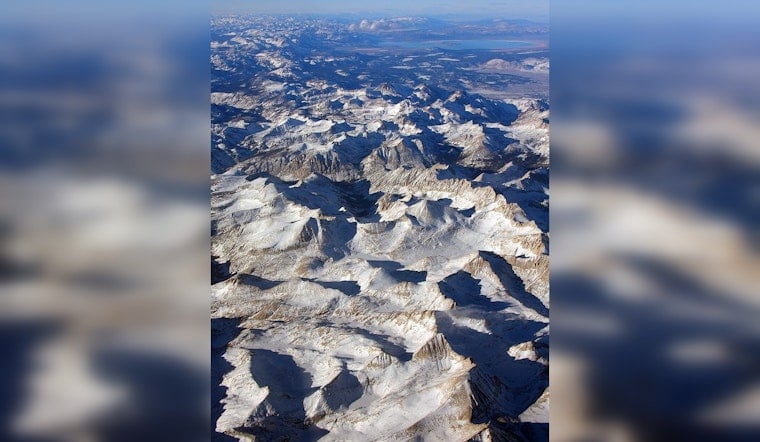
Snow in the Sierra Nevada is no longer behaving the way Tahoe locals are used to, and the 2021 Caldor Fire is a big part of the story. New field work and analysis show that burn severity, elevation and slope aspect can now mean the difference between a deep, lingering snowpack and bare dirt by late spring. That shuffle in when and where snow sticks around matters for water deliveries, since the Sierra snowpack works like a frozen reservoir and has historically supplied roughly 30% of California's water.
The latest findings come from a newly published analysis of the Caldor burn scar led by researcher Marianne Cowherd and collaborators, who gathered measurements during the 2022–2023 winter and teamed up with UC Berkeley's Central Sierra Snow Lab, according to the Tahoe Daily Tribune. The stakes are high because the statewide snowpack typically provides roughly 30% of California’s total supply in an average year, according to the AP, so changes in one watershed can ripple downstream through both city taps and farm fields.
Severity, Aspect And Elevation Rearrange Snow
A UC Berkeley analysis of post‑fire snow in the Caldor zone found that high‑severity patches generally held less snow and lost it earlier in the season than nearby low‑severity or unburned areas. In contrast, low‑severity areas at higher elevations sometimes picked up more snow than before, and north‑facing slopes at mid‑to‑high elevations could even see a temporary boost after the canopy thins, according to a report from UC Berkeley.
“These fires are massively problematic for us trying to ensure we’re managing our water correctly,” UC Berkeley Central Sierra Snow Lab director Andrew Schwartz told the Tahoe Daily Tribune. When large sections of a watershed burn, he said, the old relationships between mid‑elevation snow monitoring sites and total basin runoff can fall apart, which makes life harder for reservoir operators who are trying to decide when to hold or release water.
What This Means For Reservoirs And Runoff
Because burn severity shifts both how much snow accumulates and how quickly it melts, the study suggests some reservoirs could see more water rushing in during spring while others miss out on the late‑season trickle that has typically helped carry California through dry summers. That split could complicate everything from flood control to water allocation planning.
The mechanisms behind the shake‑up include darker, dirtier snow that absorbs more sunlight after wildfires, thanks to char and needlecast, and faster melting during mid‑winter dry spells, as shown in Geophysical Research Letters. Field studies after the Caldor Fire have also recorded increased sediment washing into downstream reservoirs, which can reduce storage capacity and affect water quality, according to a recent analysis in Earth and Space Science.
Next Steps For Monitoring And Forecasting
Researchers say the path forward is more and better data in burned areas, combined with remote sensing and updated models, so that managers can turn these altered snow patterns into something that looks like a reliable runoff forecast. UC Berkeley’s Central Sierra Snow Lab and partner groups are experimenting with machine‑learning tools and new monitoring networks in fire‑impacted zones to help water agencies update long‑standing measurement systems, according to UC Berkeley’s Snow Lab.
Scientists caution that the full hydrologic effects will only come into focus over several seasons as vegetation and soils recover, which means managers will need multi‑year monitoring to understand the new normal. Even so, the Caldor analysis has already delivered a clear warning: in the modern Sierra, wildfire is now a central player in how much water gets stored in snow and when that frozen savings account finally starts to melt.





