

























































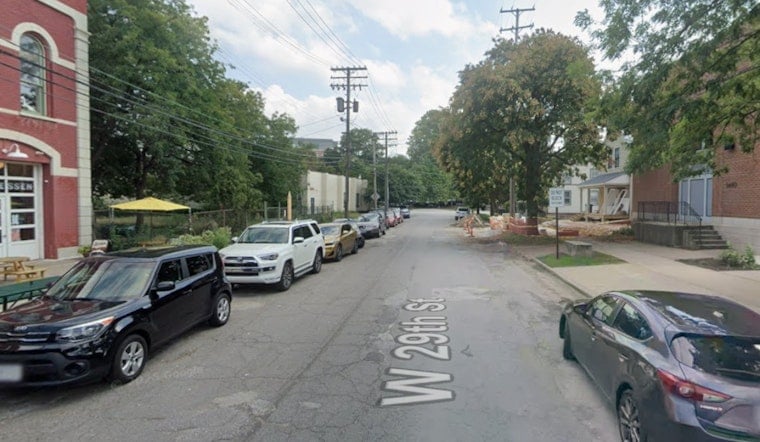
Hingetown just pulled the plug on cut-through traffic: officials and neighbors have opened a permanent pedestrian plaza on W. 29th Street between Church and Clinton, turning a once-busy block into shared public space. The stretch has been closed to vehicles and lined with temporary barriers and sidewalk chalk while residents try the new setup. Families, coffee drinkers, and business owners quickly moved in, trading car noise for conversation and kids' games on the pavement. Not everyone is fully sold yet, though, with some merchants worried about losing curbside parking for customers.
Neighbors Test The New Public Room
The newly named Hingetown Park shuts down W. 29th Street between Church and Clinton and keeps it protected from vehicles, according to Cleveland 19. Larder owner Jeremy Umansky told the station the quieter street is overdue, saying, "There has been a lot of careless driving." The outlet describes neighbors lingering over coffee, watching kids run, and filling the asphalt with impromptu chalk art. Business owners say they will be keeping an eye on how parking patterns shift in the coming weeks.
Funding And Next Steps
The city moved ahead after landing a $100,000 placemaking grant from the nonprofit Project for Public Spaces to pilot and design the open-street conversion. City records also show a recent Cleveland Foundation award to support the West 29th open-street initiative, per city committee records. According to Cleveland 19, city officials say more seating, planters, and a green area are slated to roll out over the next month. One resident called the plaza "a free community space" where kids can run while adults sit over coffee.
What It Links To
The plaza creates a direct link to the Cleveland Museum of Art's Transformer Station at 1460 West 29th Street, whose site highlights the location and its City Stages concerts, according to the Cleveland Museum of Art. That physical connection could help steer concertgoers toward Hingetown businesses during events and make the neighborhood's block-by-block festival vibe feel more permanent. Planners say they will monitor pedestrian flows and business impacts before locking in any further changes.
City officials describe the installation as an iterative experiment and say they will tweak the layout based on feedback and how people actually use the space. Expect more updates from the City Planning Commission and neighborhood groups as the month-long activation unfolds.





