

























































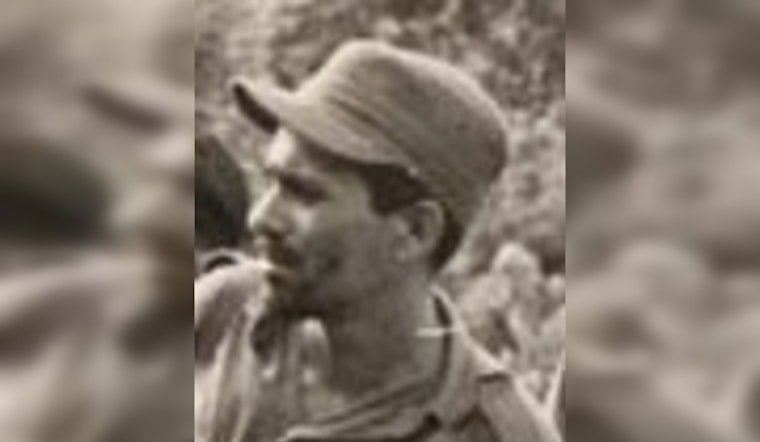
Ramiro Valdés Menéndez, one of the last surviving leaders of Cuba’s 1959 revolution, died on Sunday, June 21, 2026, the Cuban government announced. He was 94. For decades, Valdés sat near the center of Cuba’s political and security machinery, serving as interior minister, later overseeing the island’s information and communications sector and holding a vice premiership. His death removes yet another figure from the shrinking group that dominated the country’s leadership for generations.
Official Announcement And Reaction
The Communist Party and Cuba’s government issued an official notice of Valdés’ death, according to CBS News Miami. State outlets honored him as a “Hero of the Republic” and praised his “extraordinary” service, while offering no immediate cause of death. International coverage echoed the official bulletin within hours of the announcement.
A Life From Moncada To The State
Born in Artemisa on April 28, 1932, Valdés was among the fighters who took part in the 1953 Moncada barracks assault and later boarded the Granma yacht to launch the guerrilla campaign, as reported by El País. He fought under Ernesto “Che” Guevara and rose to the rank of Commander of the Revolution. After 1959, he helped build Cuba’s internal security and intelligence structures before entering cabinet-level posts and the vice premiership. In later years, he oversaw the island’s computing and telecommunications programs in a technocratic role that kept him inside the state apparatus even as many other founding figures stepped back from public life.
Contested Legacy
Valdés’ legacy is sharply contested. Official tributes highlight his revolutionary credentials and long administrative career, while critics focus on his role in internal security and in policies now widely condemned, including the UMAP labor units of the 1960s and intensive surveillance of dissent. Spanish coverage has noted both his political rehabilitation in the 2000s and his reputation as a hardline party loyalist whose public appearances became increasingly rare before his death, per El Debate. Those competing views, hero of the revolution versus symbol of repression, help explain the polarized reactions the news has already set off.
What His Passing Means
Valdés’ death further reduces the cadre of original revolutionaries who still shape Cuba’s institutions and raises questions about how the state will handle the founders’ legacy, according to reporting by AP. President Miguel Díaz-Canel wrote that the loss “hurt like the loss of a father,” and state media framed his passing as the departure of a lifelong revolutionary. In initial reports, officials had not yet announced public mourning plans or funeral arrangements.





.jpg)