

























































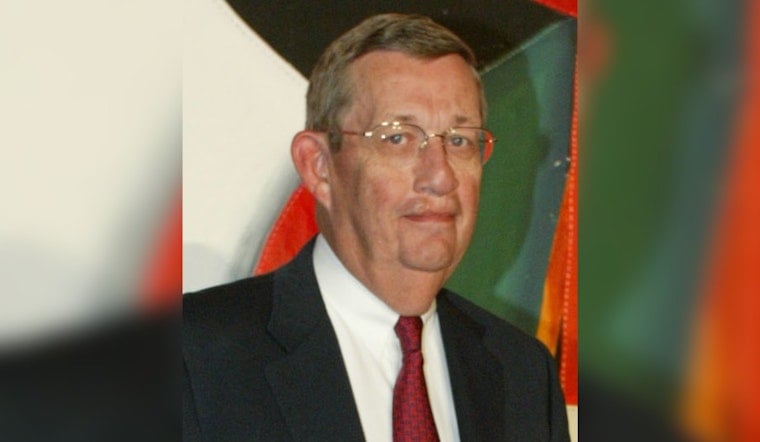
Lee R. Raymond, the hard-nosed executive who helped turn ExxonMobil into a global oil colossus, died last Saturday in a Dallas hospital. He was 87. His family confirmed his death and said the cause was complications of pneumonia.
From Engineer to CEO
Raymond’s climb at Exxon was a classic inside-player story. After earning a Ph.D. in chemical engineering, he moved up through the company’s technical ranks into senior operational and international roles, gaining a reputation for strict cost discipline and an intense focus on performance. He became chief executive in 1993 and retired at the end of 2005, wrapping up more than a decade in the top job. As outlined by ExxonMobil, he held a series of leadership posts before taking the helm.
Big Merger, Bigger Returns
Raymond’s tenure is most closely associated with one massive swing: the 1998 agreement to acquire Mobil for roughly $81 billion. The deal created the world’s largest private-sector oil company and gave Exxon a wider global reach, the kind of consolidation move that reshaped the energy landscape. Under his watch, net income climbed, and market value surged, burnishing his image as a relentlessly shareholder-first chief executive. Those financial results and milestones are detailed by The New York Times.
Climate Stance and Controversy
Even as ExxonMobil grew, Raymond became one of the most visible corporate skeptics of early climate-change regulations. He repeatedly emphasized what he said were uncertainties in climate models and pushed back on treaty-era limits that would restrict fossil fuel use. That posture later landed him squarely in the spotlight as investigations and reporting dug into how major oil companies talked about climate science in public compared with what their own researchers were finding. As documented by Inside Climate News, the tension between Exxon's internal research and its public positions during his leadership is now a central part of how his era is judged by scholars and advocates.
Mixed Legacy
Depending on whom you ask, Raymond either stands as the hard-driving executive who remade a sprawling oil giant and delivered outsize returns, or as a symbol of industry resistance to early climate policy. Both views tend to show up in the same breath when his name comes up. "He died of complications of pneumonia," his son Colin Raymond told The New York Times, which first reported his death.
What Comes Next
In the days ahead, the oil world and its critics are likely to weigh in with tributes, pointed critiques, or both, as people who worked with Raymond and those who fought his policies take stock of his impact. His family and former colleagues are expected to share more details on memorial plans and remembrances soon.




.jpg)