

























































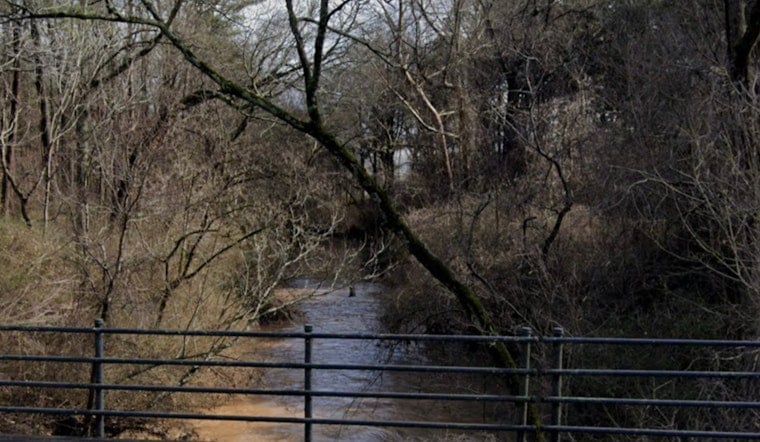
Atlanta officials are trying to unravel what caused a cluster of dead fish to turn up near the South River Water Reclamation Center, as the city investigates a possible chemical release into the river. Crews with the Department of Watershed Management (DWM) have taken water‑quality samples and begun lab testing to figure out what entered the water. So far, officials say they do not know the source, how much material was released, or the full environmental impact.
According to 95.5 WSB Radio, DWM officials said that “early results suggest some material may have reached the storm drains,” and that crews collected samples at the scene. The station also reported that investigators expect to coordinate with the Georgia Environmental Protection Division as testing moves forward.
Where Investigators Are Zeroing In
Sampling work is centered around the South River Water Reclamation Center, one of Atlanta’s main wastewater treatment facilities serving parts of the city and nearby suburbs. City documentation notes that the plant is designed to treat about 54 million gallons of wastewater per day and has been included in recent capital‑improvement projects. More information is available on City of Atlanta project pages.
A Troubling Pattern For Metro Rivers
This South River scare lands on top of already heightened concern about metro Atlanta’s wastewater and river health following a major fish kill in May on the Chattahoochee River. A Georgia Department of Natural Resources investigation documented an estimated 44,500 fish killed after low dissolved‑oxygen conditions and a tunnel overflow. The findings are laid out in a state incident report.
What Residents Need To Know Right Now
Officials have not issued any public‑health warning specifically tied to the South River investigation. Any guidance on swimming, fishing, or pet safety will hinge on what the lab results show. In past incidents, authorities have urged people to avoid handling dead fish, to steer clear of discolored water or oily sheens, and to report anything unusual to local agencies. 95.5 WSB Radio also reported that DWM crews anticipate continued coordination with state regulators as sampling continues.
The investigation is still unfolding. City and state officials say they will release test results and any related advisories once they are available. For now, DWM crews and state investigators remain on the river, collecting samples and running analyses to determine the source, volume, and potential environmental fallout from the suspected release.



