

























































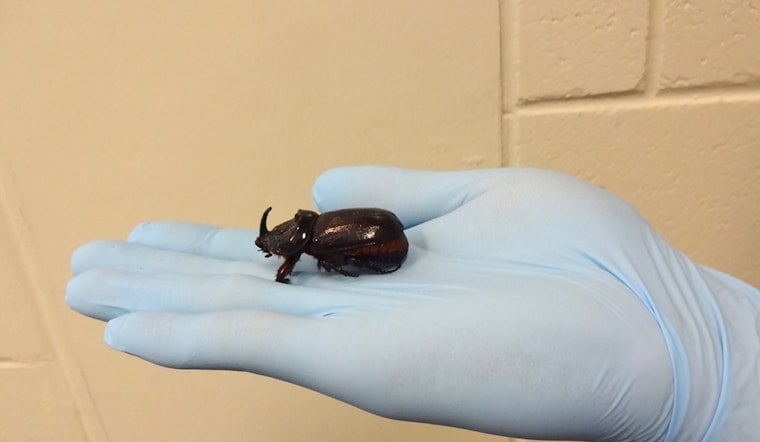
Three dead adult coconut rhinoceros beetles pulled from detection traps in Waikapū, Maui have island crews on edge, prompting expanded surveys and stepped-up public outreach across central Maui. The beetles were collected from two separate traps and sent for expert review, where specialists confirmed they were coconut rhinoceros beetles. Officials say the discoveries came through routine monitoring at ports and green-waste hotspots designed to catch the pest before it gains a foothold.
According to Maui Now, the specimens were collected late last Thursday and were confirmed by the state taxonomist as three dead female CRB. When the traps were checked on May 15, no beetles were detected. The following day, DAB staff began surveys in the surrounding area, focusing on likely breeding sites such as piles of green waste, compost or decaying coconut material. Crews returned several days later and recovered two additional dead beetles from separate traps.
The Hawaiʻi Department of Agriculture and Biosecurity is coordinating the island response with the Maui CRB Working Group and county partners, and the agency has urged residents and businesses to avoid moving green waste while surveys are underway. The department had earlier confirmed a separate dead CRB collected from a detection trap at Kahului Airport in early April, DAB said. Officials emphasize that, aside from that airport find, no live adults or larvae have been detected on Maui, but they add that catching any infestation early remains critical.
What to look for
Adult CRB tunnel into the crown of coconut and other large palms, leaving telltale V-shaped cuts on new fronds, while the larvae hide and feed in decomposing organic material. The grubs can grow several inches long, and adult feeding damage can take months to show up, which is why crews are urging regular checks of palms, mulch and compost piles. The Maui Invasive Species Committee provides identification help along with step-by-step guidance for inspecting mulch and green waste safely.
How to report and reduce risk
If you notice suspicious beetles, C-shaped grubs or V-cut damage on palm fronds, officials say to photograph what you see, collect a sample in a sealed container if it is safe to do so, and submit a report at 643pest.org or call the state pest hotline at 808-643-PEST (7378). More information on identification, safe handling and managing potential breeding sites is available from the statewide CRB Response team. Authorities also advise holding off on moving mulch, compost or bagged soil products that show holes or any signs of infestation until they can be checked.
Why officials are watching
The coconut rhinoceros beetle is a highly destructive pest that can kill palms and damage food crops such as banana and taro, creating economic and cultural risks for island communities, according to USDA APHIS. Early detections near airports and green-waste hubs get urgent attention because CRB and their larvae are often moved accidentally in plant material and soil, which raises the chance of the insect becoming established. State and county teams say their priority is to locate any breeding sites as quickly as possible so they can be contained before the pest spreads.
Multi-agency trapping and surveys will continue while crews map and inspect potential breeding sites on Maui. Officials say that public vigilance, from checking palms to reporting anything suspicious right away, is still the strongest defense against a permanent CRB population on the island.





