

























































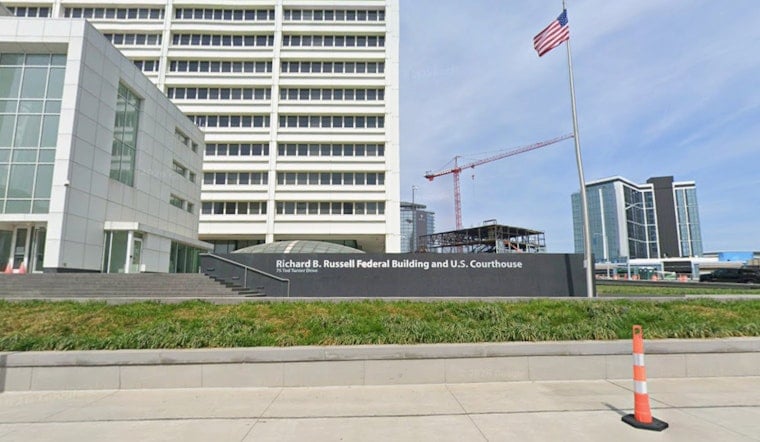
DeKalb County’s long-running sewer saga is getting a rewrite. County officials and the U.S. Environmental Protection Agency told U.S. District Judge Steven D. Grimberg on Thursday that the 15-year consent decree governing repeated sewage spills is being replaced with a new agreement. Grimberg scheduled a status hearing in 60 days to check progress and made it clear the court intends to keep a tight grip on how the new deal comes together.
The consent decree dates back to a 2011 settlement that ordered DeKalb to repair its sewer system and stop unauthorized discharges, according to the U.S. EPA. The agency’s consent decree page, updated in April 2026, lays out the agreement itself, along with reporting requirements and penalty provisions that have steered DeKalb’s sewer work for years.
Attorneys for both DeKalb and the EPA told the court they have been in mediation and made “significant progress” on a replacement document, but said a full, line-by-line rewrite will take time and sign-offs from higher-level officials, WABE reported. They said no major disputes are blocking the deal, though Grimberg did not hide his irritation that he still had not seen a draft.
Judge’s impatience and legal stakes
Grimberg has already been reluctant to grant lengthy extensions after county officials warned they would miss a 2027 deadline, The Atlanta Journal-Constitution reported. Court observers and filings warn that if the new agreement stalls, the judge could hit the county with steep fines or even appoint a special master to oversee the sewer work, a level of hands-on supervision SaportaReport has documented in this case.
How DeKalb plans to pay
The price tag for long-term sewer fixes is already shaping policy decisions across the county. Public records show a proposal to raise water and sewer rates 10% a year for 10 years to support an estimated $4 billion capital improvement program. Details are laid out in the county’s rate resolution and supporting financial study on its Legistar page. Officials are also reexamining stormwater fees and have scheduled public outreach while they decide how much of the work should be funded through a utility charge, according to county notices.
Next steps
Judge Grimberg set another check-in 60 days out, for Aug. 11, 2026, and instructed both sides to arrive with a clearer schedule and draft language, WABE says. If the court decides progress is lagging, it could order outside oversight or financial penalties. SaportaReport has followed how Grimberg has already used strict supervision as a tool in this dispute.
Residents who want to follow the process can track official filings and progress reports on the county’s consent decree hub and stormwater information pages, while the EPA keeps a consent decree file online for public review. For documents and timelines, see DeKalb County’s consent decree page and the EPA site.



