

























































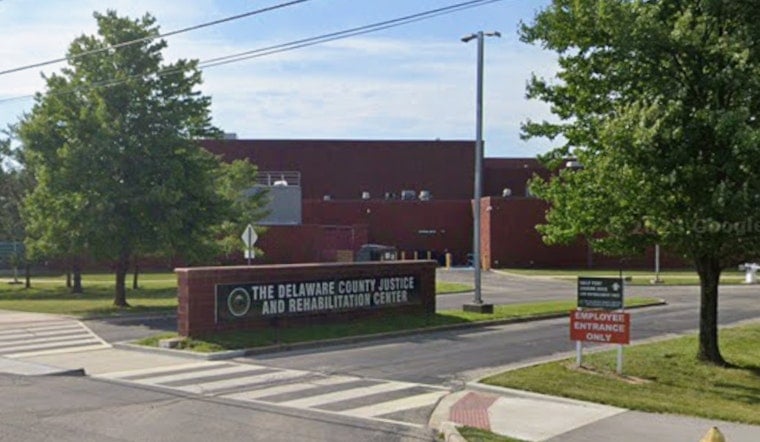
A Delaware County sheriff's deputy whose 10-year-old daughter died of vehicular hyperthermia last August will not face criminal charges after special prosecutors declined to file a case. The deputy, who was off duty at the time, was placed on paid administrative leave after the incident and returned to work earlier this year.
Prosecutors Decline to File Charges
Special prosecutors Chris Gaal and James Luttrull found no evidence that the deputy intentionally left his daughter in the vehicle and therefore will not pursue criminal charges, according to WISH-TV. Their review looked closely at the deputy's state of mind and cited "numerous events" that may have played a role, including a recent death in the family. Records cited in the report show the deputy was placed on paid administrative leave after the Aug. 14, 2025, incident and returned to duty around Jan. 15, 2026.
Timeline of the Day
According to WISH-TV, the deputy picked his daughter up from school at about 2:30 p.m. on Aug. 14, 2025. Later that afternoon, he found her unresponsive in the vehicle and called 911 at 6:44 p.m., telling the dispatcher, "she has rigor already. i messed up." Deputies on scene said he repeated, "I messed up." Site records cited in the report show the outside temperature that day was around 85 degrees, and the interior of the vehicle is estimated to have reached roughly 132 degrees.
How Common These Tragedies Are
Child vehicular heatstroke remains a stubborn, recurring problem. National tracking by safety advocates shows an average of about 38 children die in hot cars each year and more than 1,000 have died since 1990, according to Kids and Car Safety. The counts mix together cases in which a child was forgotten, climbed into a vehicle alone, or was intentionally left.
Policy and Prevention
Advocates point to in-vehicle technology and clearer rules as tools to cut these deaths. The 2021 federal infrastructure law directed the Department of Transportation to require rear-seat reminder systems in new cars. Safety groups say audible reminder alerts alone are not enough and argue that true occupant-detection standards are needed, according to Advocates for Highway and Auto Safety. Until such systems are widely required and retrofitted, groups urge caregivers and schools to double up on checks, communication, and routine safeguards.
What Prosecutors Said
Prosecutors told reporters their decision turned on intent and the available evidence, and that they found no proof the deputy left his daughter in the vehicle purposefully. The review highlights how investigators weigh a range of factors, from routine lapses to personal stressors, when deciding whether conduct reaches the legal threshold for criminal charges.




