

























































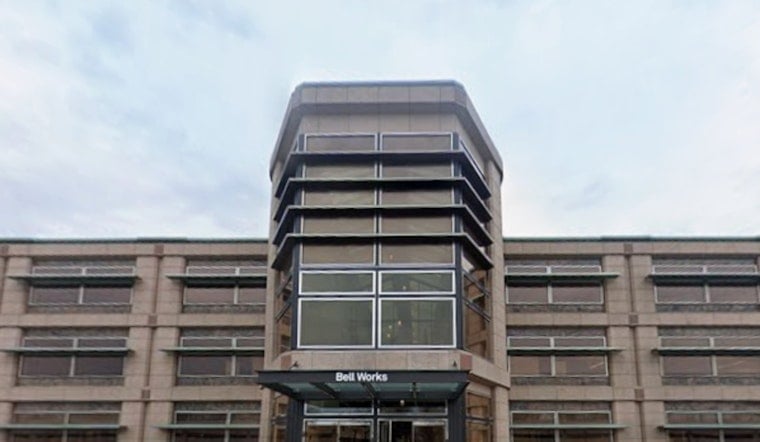
After years of sitting dark along the I-90 corridor, Bell Works Chicagoland hit a fresh milestone Monday as developers, village officials, and tenants gathered to mark the latest chapter in remaking the vacant Ameritech Center into a 1.65 million square foot "metroburb" in Hoffman Estates. The multi-phase project is shifting from early activation into a larger buildout that will stack new offices, retail, and housing around an indoor "main street." Local leaders and nearby residents say the campus is already pulling in visitors and businesses after a long stretch of vacancy.
FOX 32 Chicago's ChicagoLIVE devoted a segment on Monday to the transformation, featuring Ralph Zucker, president and CEO of Inspired by Somerset Development, who walked through the vision and next construction push for the campus. The piece spotlighted the mix of dining, events, and office amenities that developers say are turning the onetime corporate fortress into a suburban downtown-in-one-building. Watch the full segment on FOX 32 Chicago.
The Bell Works site is the former AT&T Ameritech Center and, according to the development’s own materials, sits on roughly 150 acres and about 1.65 million square feet. Its vast atrium has been reconfigured into a quarter-mile indoor "Main Street" lined with shops, food options, and community space. The developer describes the blend of coworking, "Ready-to-Wear" suites, and public programming as an attempt to recreate downtown-style density in a suburban setting. The full pitch is laid out on Bell Works Chicagoland.
West-side expansion and timeline
Construction on the west side of the property officially kicked off in late June 2025, unveiling plans for roughly 430,000 square feet of new office space, about 35,000 square feet of furnished "Ready-to-Wear" suites, and roughly 70,000 square feet of retail. The work calls for demolishing an internal overpass to bring more natural light into the building and adding features such as a turf element, rooftop bar, and a central lobby. Portions of that buildout are expected to be ready by late 2026, according to Daily Herald coverage. Zucker has framed the groundbreaking as “a defining moment” for proving the metroburb model can reshape suburban landscapes.
Industry trade reporting backs up the scope of the second-phase expansion and slots Bell Works Chicagoland into a broader national push to recycle large suburban office campuses into mixed-use hubs. REBusinessOnline noted that the west side expansion will add more than 500,000 square feet of new space overall and that many of the new office and retail components are slated to open through 2026. Those accounts line up with the developer’s timeline and the project’s claim of strong leasing momentum from Phase 1.
How the 'metroburb' idea took root
The "metroburb" label traces back to Somerset Development’s earlier conversion of the former Bell Labs campus in Holmdel, New Jersey, into a mixed-use complex that blends offices, retail, and community programming. Industry groups point to Bell Works Chicagoland as the second major test case for that model. In an analysis of the Hoffman Estates project, the International Council of Shopping Centers described the effort as a roughly $200 million remake that leaned on public-private tools and amenity-driven leasing to revive a dormant corporate site. The group also highlighted how a tax-increment financing partnership helped make the Chicagoland version financially feasible. ICSC examined the structure in detail.
Local impact and what officials say
Hoffman Estates officials have cast Bell Works as a major economic lift, pointing to new retail and entertainment options along with what they describe as a “wealth of new jobs” tied to the expansion. Residents near the campus have watched a wave of openings on the east side, including entertainment venues and food concepts, as that half of the property filled in. The March 2025 start of construction on 164 townhomes added a long-discussed residential piece to the live-work vision, a step village leaders say is crucial to making the site an all-day destination instead of a commuter-only office park, according to the Daily Herald reporting.
Bell Market, the indoor food hall at the heart of the project, has already opened and is one of several activations the development team is using to pull consistent foot traffic into the building. Developers say additional retailers, office suites, and construction phases will continue to roll out through late 2026 as Bell Works moves from proof-of-concept into what they hope will function as a fully operational suburban downtown. A current tenant list and more details on the buildout are available through Bell Works.





