

























































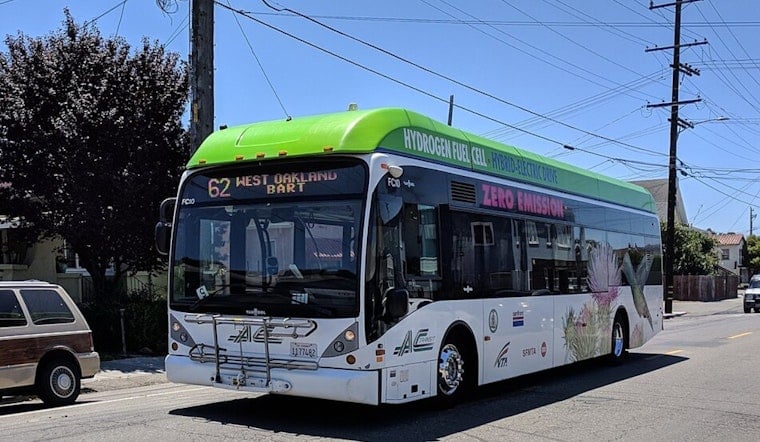
East Bay bus riders are about to feel a bump at the farebox. Starting tomorrow, AC Transit will raise its local single-ride price, with cash riders paying $3 and riders who tap Clipper or a contactless bank card paying $2.75. The change completes the second step of a two-phase increase the district approved in 2025.
What riders will pay
Beginning tomorrow, the adult local single-ride Clipper/contactless fare will be $2.75 and the cash fare will be $3.00, while Transbay one-way fares will be $6.50, according to AC Transit. Pass and discounted-fare prices will adjust under the agency's existing multipliers, and youth, seniors and riders with disabilities will still be eligible for reduced fares.
Agency message and reminders
AC Transit communications director Robert Lyles told Oaklandside the fare adjustment will kick in "when service begins that day." That report also notes that the agency has posted new on-board reminders, including a fare required message on hundreds of vehicles, as part of an outreach push to increase fare compliance.
Why the agency approved the hike
The agency says the increase is part of a broader plan to steady its finances after pandemic-era relief funds expired. AC Transit projects a multi-year budget gap that could total roughly $200 million over four years if no new, sustained funding is found, according to the district's budget FAQ. Officials say the shortfall stems from rising operating costs and ridership that has not fully returned.
How to pay less
Low-income riders can cut single-ride costs in half through the Clipper START program, which provides a 50% discount to qualifying adults, according to the Metropolitan Transportation Commission. Riders who use Clipper or mobile/contactless payments also get the agency's smaller cash discount, and youth, seniors and riders with disabilities are encouraged to check eligibility and enroll ahead of trips.
What to expect next
AC Transit and regional leaders say short-term measures, including a state-backed bridge loan and work on a regional revenue plan, are meant to buy time, but the agency warns that deeper service reductions remain on the table without a long-term fix. Reporting by the San Francisco Chronicle notes that regional officials agreed earlier this year on a roughly $590 million lifeline to help Bay Area transit agencies.
Riders should have fare media ready and check trip planners for any schedule updates as the new prices take effect. For full details on fares and discount programs, AC Transit provides official guidance on its website and through customer service channels.





