

























































A seven-year feasibility study says the east Twin Cities are in for a major overhaul of how they deal with PFAS contamination, and the fix will not come cheap. The report, tied to state response work from the 3M settlement, calls for region-wide treatment of groundwater at the source instead of relying on a patchwork of city-by-city filters. That would mean drilling new extraction and injection wells, installing surface water treatment barriers and locking down access to PFAS-heavy sediments, changes that could significantly reshape how suburbs from Oakdale to Lake Elmo get their drinking water.
MPCA backs a pump-and-treat strategy
The Minnesota Pollution Control Agency is recommending a system of wells that would pump PFAS-contaminated groundwater, treat it, and then either send the water back into the aquifer or route it into municipal systems, according to the Minnesota Pollution Control Agency. The option is one of several primary and secondary alternatives evaluated for the Project 1007 corridor and is designed to slow and limit further PFAS migration from known source areas into the broader east metro aquifer.
Price tag: hundreds of millions
The feasibility work lays out a wide cost range. The primary recommendation comes with an estimated capital cost of roughly $227 million to $404 million, with annual operating costs projected between about $12.3 million and $84.2 million, according to the Project 1007 feasibility study storymap. A secondary alternative with a smaller footprint is pegged at $198 million to $356 million. The study also breaks out individual pieces: a multi-benefit well array is estimated at about $204 million to $349 million, while surface adsorptive barriers have a capital estimate near $3.3 million. Choosing to do nothing is not free either; the report warns that a “no action” approach would still cost tens of millions of dollars and would likely grow more expensive over time.
Oakdale and local operators are already treating water
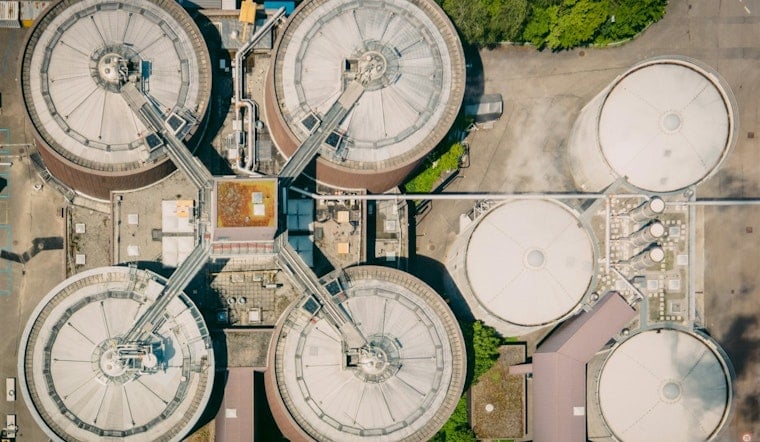
Some east metro utilities are not waiting for the regional fix. Oakdale built a water treatment facility in 2006 that uses granular activated carbon to pull PFAS out of several municipal wells and supplies about 2,400 gallons per minute of treated water, according to the city. MPR News visited the plant this week and reported on how local operators juggle day-to-day treatment demands while the larger regional plan takes shape.
What comes next
MPCA officials say the regional, source-focused strategy would be more cost effective over time than continually expanding point-of-use or single-plant fixes, according to the agency. They also note that PFAS destruction technologies look promising but still need more testing before they can be used widely. The feasibility study and its recommendations are funded through Minnesota’s 2018 settlement with 3M. State and local officials now have to sort out design work, permitting and, perhaps the toughest question, how to pay for projects that could take years to fully build.





