

























































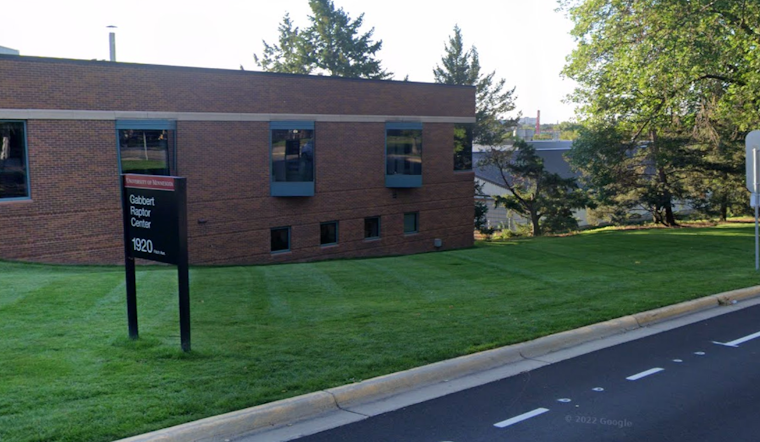
Soccer nets are becoming an unexpected hazard for Minnesota’s night hunters. Two owls were brought to the University of Minnesota’s Raptor Center last week after becoming tangled in nets left up after games, prompting a simple request: take the nets down, tip them over or otherwise make them inaccessible when the field is empty. The chore takes minutes; the injuries can last much longer.
As reported by Minnesota Star Tribune, the center says juvenile owls are especially vulnerable as they learn to fly and hunt. A vole or mouse may be just beyond the net, and a young bird focused on its target may not see the mesh in the dark; adult owls can also become entangled. The center is also asking players and spectators not to snack around the nets, since crumbs can attract rodents and, in turn, the hawks and owls hunting them.
Why Soccer Nets Become An Invisible Nighttime Hazard
The Minnesota DNR identifies soccer netting as a serious danger for owls and sometimes hawks. The agency says fields can draw mice because of food dropped by spectators, while young owls hunting those mice may struggle to detect netting even with their excellent night vision. Its recommended fixes are straightforward: move nets indoors, remove them from frames or cover them with tarps whenever they are not being used.
This is not a one-off mishap. In October 2024, CBS Minnesota reported that five raptors had been caught in soccer nets during one September stretch — four great horned owls and a red-tailed hawk — with one bird dying, one released, one relearning to fly and two still under care at the time. That earlier surge helps explain why the center is pushing prevention instead of waiting for another overnight rescue.
What To Do If An Owl Is Caught
Anyone who finds a bird trapped in a net should contact wildlife professionals rather than attempting a solo rescue. The Raptor Center’s injured-bird guidance directs callers to 612-624-4745 and warns that raptors can be dangerous to handle; it also says not to feed an injured bird. For soccer clubs and field managers, though, the easiest rescue is the one that never happens: take the nets down before the hunting shift begins.



