

























































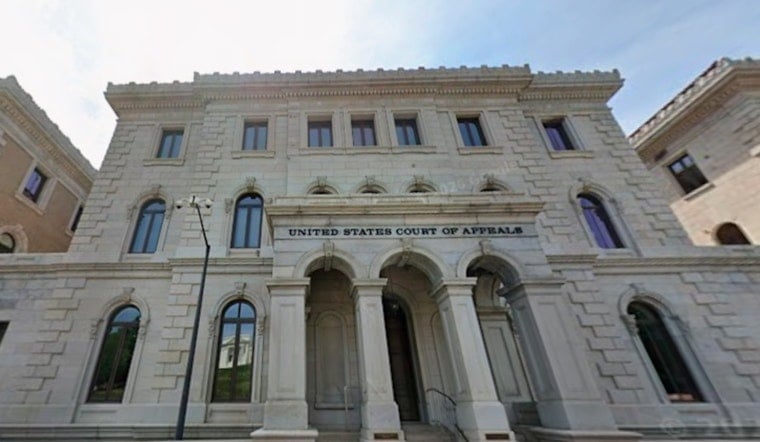
Emory Law students are stepping straight into the heart of a national workplace-rights fight, asking the U.S. Supreme Court to decide whether the federal judiciary’s in-house employment system leaves court staff without the civil-rights protections that other workers can count on. Their petition backs a former federal public defender who says she faced sexual harassment and then discovered there was no truly neutral place inside the system to press her complaint.
According to the Court’s own records, the petition was filed in mid May and asks the justices to review whether each circuit’s human resources procedures should effectively replace federal civil-rights enforcement. The docket shows the filing date as May 18, 2026, and notes that the Court later called on the federal government to respond. (Supreme Court docket) A detailed investigation has already laid out the stakes, finding that the federal judiciary employs roughly 30,000 people and that clerks and other staff often have limited legal avenues to push back on harassment or discrimination. (NPR)
Emory’s student clinic drove the filing
For the students involved, this was not just an interesting hypothetical. They say the case slotted neatly into Emory’s Supreme Court Advocacy Program, which the school describes as the only student run Supreme Court litigation program in the country. (Emory Law) Instead of just briefing mock cases for class, they spent weeks digging into precedent and the factual record, backing a former federal public defender whose description of workplace harassment, they argue, shows how limited the judiciary’s internal dispute channels can be. (WABE)
The case at the center
The petition grows out of litigation brought by Caryn Devins Strickland, a former federal public defender who says she was sexually harassed and that the judiciary’s response left her without any real remedy. Records from the case show that her claims have already wound through multiple courts, and the student authored petition urges the Supreme Court to decide whether the judiciary’s internal procedures can lawfully stand in for Title VII and other civil-rights protections that apply in most workplaces. (Justia; Courthouse News)
What the judiciary says
The Administrative Office of the U.S. Courts, for its part, points to a slate of reforms as proof that the system is improving. Those include a national Office of Judicial Integrity, circuit level directors of workplace relations, and a network of dispute resolution coordinators across the country. (U.S. Courts) Critics and whistleblowers, however, say the culture has been slower to move than the org chart, and that a persistent fear of retaliation still keeps many workers from speaking up.
Why the fight matters
Formal discipline for federal judges is exceptionally rare and often complicated. Historical records show that only a small number of judges have ever been impeached or removed, which leaves most workplace complaints to be handled through internal processes rather than public proceedings. (Federal Judicial Center) That reality sits at the core of the Emory students’ argument that independent judicial review is essential if court employees are going to have meaningful worker protections.
What’s next
The Supreme Court docket now reflects a formal request for a response from the federal respondents, with a deadline set by the justices. The current schedule points to further consideration this summer. (Supreme Court docket) If the Court agrees to hear the case, its ruling could reshape where and how federal court employees seek relief, and it could force a much broader public conversation about accountability inside the judiciary itself.



