

























































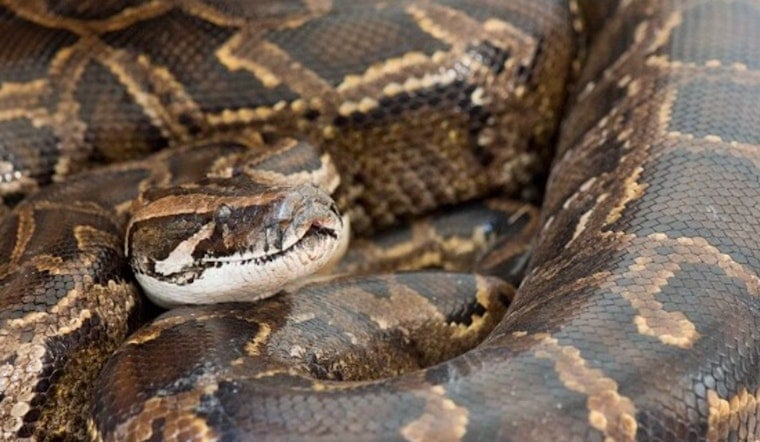
A Miami hiker who grabbed an invasive python off a crowded Shark Valley trail walked out of court this week with his ticket tossed and a whole new debate slithering through South Florida’s conservation circles. The dustup is now fueling arguments over whether federal park rules should carve out a narrow exception for people who step in to remove invasive species in order to protect native wildlife.
“I saw one crawling across the trail. There were children around,” said hiker Yatir Nitzany. He told reporters he waited about 30 minutes for a ranger, handed the snake over and was then hit with a $180 citation for illegally handling wildlife, according to Local 10.
Park Rules Bar Visitors From Handling Wildlife
Federal regulations generally prohibit visitors from taking, capturing or disturbing wildlife inside national parks without authorization. Everglades National Park repeats that rule in its superintendent’s compendium as part of its resource protection playbook. The idea is to keep both people and animals safe, and rangers usually instruct visitors to report what they see instead of jumping in themselves, according to the National Park Service.
Zoo Miami Official Calls For A Carve-Out
Ron Magill, an ambassador and conservation liaison at Zoo Miami, told reporters, “My goal now is to do whatever I can to change this law.” He said he wants a legal caveat so people who remove invasive animals are not punished when they believe they are protecting native species. Magill framed the dismissal of Nitzany’s citation as a chance to push for clearer guidance about what is allowed inside park boundaries, according to Local 10.
Why The Debate Matters
Burmese pythons are now an entrenched invasive predator across much of southern Florida and have been linked to steep drops in small mammal and bird populations, according to research from the U.S. Geological Survey. At the same time, state removal programs and private partnerships have steadily increased python catches, a strategy highlighted by the Florida Fish and Wildlife Conservation Commission. That mix of aggressive removal outside the park and strict hands-off rules inside it helps explain why some conservationists are pushing for the law to better accommodate invasive species interventions.
For now, Nitzany says he is relieved that the citation was dismissed, and Magill plans to keep pressing lawmakers and officials for a legal tweak. Park visitors, meanwhile, are still told to give wildlife plenty of space and to call rangers if they encounter a potentially dangerous animal. The case leaves a tricky policy question hanging over the Everglades: how to honor strict federal protections designed to preserve park resources while also dealing with the very species that threaten those same resources.




.jpg)