

























































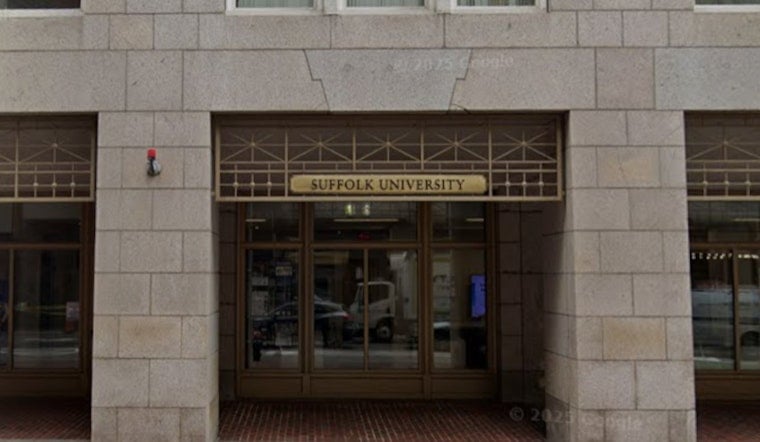
Massachusetts voters are turning sour on the state of the economy, and a startling share say they have at least thought about packing up and leaving. A new Suffolk University/Boston Globe poll of 500 residents finds widespread frustration with the cost of living, with housing, utilities and health care topping the list of financial pain points as the state barrels into a high-stakes ballot season.
According to The Boston Globe, the Suffolk University/Boston Globe poll asked 500 registered voters about a range of issues, including a proposed ballot question to reduce the state income tax. The Globe’s interactive breakdown shows that almost half of respondents said they had considered leaving Massachusetts, and that many voters now give the commonwealth’s economy low marks, largely because of cost-of-living pressures.
Suffolk University’s Political Research Center lays out the survey’s technical details, including the April field dates and the 500-respondent sample behind the topline numbers. The poll documents put the margin of error in the mid-4 percentage-point range, a standard warning label for anyone tempted to over-interpret small subgroup differences and cross-tabs.
Affordability Angst Fits A Bigger Population Story
The poll’s affordability worries line up with longer-running demographic trends. The UMass Donahue Institute notes that Massachusetts has continued to see notable domestic out-migration, even as international immigration and natural increase have kept overall population growth in positive territory in recent estimates. That mix, residents leaving for cheaper parts of the country while new arrivals and births keep the headcount from shrinking, helps explain how intense cost pressures can exist alongside modest population growth.
Income-Tax Ballot Fight Could Turn On The Fine Print
How voters ultimately land on an income-tax cut could depend heavily on how the tradeoffs are framed. A March poll summarized by the Massachusetts Voter Table, drawing on work by the MassINC Polling Group, found that initial support for a proposed cut started at roughly two-thirds but dropped to about four in 10 after respondents were told the change would disproportionately benefit higher earners and reduce state revenue. In other words, broad support turned wobbly once the distributional consequences and budget hit were spelled out.
What Politicians And Campaigns Will Be Watching
Campaigns and lawmakers are now on alert for any shifts in how voters talk about housing, utilities and taxes as they shape their fall messages. Expect more polling and deeper crosstabs in the weeks ahead as advocates, labor groups and business coalitions test out their talking points and sharpen their arguments for what is shaping up to be a contentious ballot season.





