

























































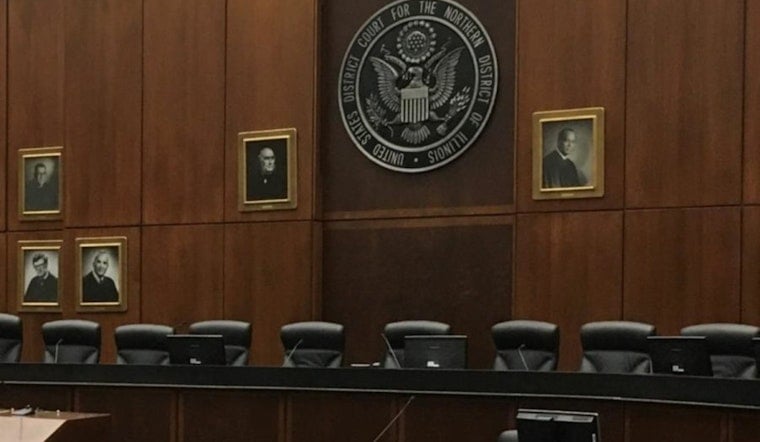
On June 16, 2026, the U.S. Department of Justice jumped directly into the legal fight over Evanston’s closely watched reparations program, asking a federal judge for permission to join an ongoing lawsuit that targets the city’s race-based $25,000 housing and cash awards. The department’s filing argues the program runs headfirst into the Constitution and federal housing law, and it would put federal civil-rights prosecutors at the center of a case many cities have been watching as a possible blueprint. The request is pending in the U.S. District Court for the Northern District of Illinois.
DOJ seeks a seat at the table
According to FOX 32 Chicago, the DOJ’s Civil Rights Division told the court that Evanston is unlawfully handing out public benefits based on race and ancestry. Assistant Attorney General Harmeet Dhillon is quoted in the filing as calling the city’s approach "race discrimination, pure and simple," while U.S. Attorney Andrew Boutros said the Constitution "demands that the government treat citizens as individuals, not as members of a racial class." The station reports that DOJ opened an inquiry into the program and that federal officials say the city declined to cooperate with that probe.
How Evanston’s reparations program works
As outlined by the City of Evanston, the Local Reparations Restorative Housing Program stems from a 2019 council resolution and offers up to $25,000 per qualifying person for down payments, mortgage assistance or home repairs. Eligibility is limited to Black individuals who lived in Evanston as adults between 1919 and 1969 and to their direct descendants, with funding drawn in part from municipal cannabis tax revenues. City documents describe the initiative as a targeted response to historic housing discrimination and an effort to build intergenerational wealth for affected families.
The lawsuit that kicked this off
The underlying case was filed in May 2024 by non-Black descendants of former Evanston residents who say they are shut out of benefits solely because of their race. Court records for Flinn v. City of Evanston (No. 1:24-cv-04269) are cataloged by the Civil Rights Litigation Clearinghouse, and the plaintiffs' original complaint is posted in filings from Judicial Watch. On March 27, 2026, a federal judge denied Evanston’s motion to dismiss, which keeps the case alive and opens the door to more discovery and legal briefing.
What DOJ wants the court to do
FOX 32 Chicago reports that the DOJ’s proposed complaint argues both the cash payments and housing assistance violate the Equal Protection Clause and the Fair Housing Act. If the judge lets the department intervene, federal lawyers could pursue enforcement claims that seek injunctions or other limits on race-restricted payouts, potentially transforming the case from a private dispute into a broader test of what is legally allowed. The motion to intervene is still awaiting a ruling.
High stakes for Evanston and beyond
Evanston’s plan, widely described as one of the first municipal reparations programs in the country, drew national headlines when it passed and has been tracked as a test of local restorative policy. The Guardian and other outlets have followed both the rollout and the friction surrounding who qualifies, how much money is on the table and whether the legal footing will hold. For now, the suit remains active in the Northern District of Illinois, and both sides are waiting to see whether the court lets DOJ into the case; any next rulings could take months and will heavily influence whether Evanston can keep running the program in its current form.
Local advocates on both sides say the outcome could help define the legal limits for other cities considering race-conscious remedies. The judge’s upcoming scheduling orders will dictate how fast the case moves and how quickly Evanston, and everyone watching, gets answers.





