

























































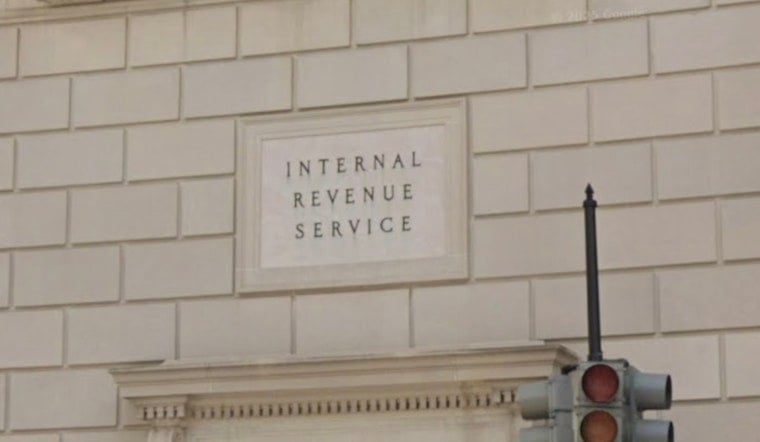
For South Florida teacher Michelle Del Bruno, a routine check of her retirement account this spring turned into a financial nightmare. More than $133,000 was suddenly gone. She says the Internal Revenue Service had seized the money without ever giving her a real chance to fight back, leaving her scrambling to fill a six-figure hole in the savings she was counting on for retirement.
According to CBS News Miami, reporter Steve Maugeri reviewed Del Bruno’s account records and IRS-related documents that suggest the levy may have been misapplied or even tied to the wrong taxpayer. Del Bruno told the station she never got the chance to pursue a Collection Due Process hearing before the funds were taken. CBS News Miami reports the seized sum totaled more than $133,000 and that she is now fighting through IRS administrative channels to get it back.
How IRS levies are supposed to work
Under federal law, the IRS can issue a notice of levy that latches onto property held by a third party, including retirement-plan distributions, after certain statutory notices have been sent to the taxpayer. The agency’s internal manual says levies should only be issued after required checks are completed and that any erroneous levies must be released immediately to reduce harm to taxpayers, according to IRS guidance. The same manual explains that when levy proceeds have already been applied, taxpayers may pursue administrative remedies to seek a return of property.
Fighting to get levied funds returned
Once the IRS has already taken and applied levied funds, the standard path to challenge that action is a written administrative “return of property” claim under Internal Revenue Code section 6343(d). The IRS explains in Publication 5149 how to make that request. The Taxpayer Advocate Service also outlines the rules for seeking a return of levy proceeds and notes that taxpayers may appeal denials through the Collection Appeals Program, according to the Taxpayer Advocate Service. Because details such as whether the property is still in IRS hands can affect both timing and available remedies, careful documentation and quick action are critical.
Appeals, deadlines and what could decide this case
Taxpayers who lose an administrative claim for the return of property can pursue further review through the Collection Appeals Program or explore other remedies, depending on which notices the IRS sent and when. The agency’s collection rules describe how appeals and post-levy reviews work and emphasize that prompt documentation and qualified legal help can influence outcomes, according to IRS collection guidance. How Del Bruno’s situation plays out will hinge on those internal decisions and on any evidence that CBS News Miami uncovered suggesting the levy was misapplied.
The CBS investigation has thrown a spotlight on how a single administrative move can wipe out what amounts to a lifetime of savings, and Del Bruno’s ordeal has become a cautionary tale for teachers and retirees watching their nest eggs. CBS News Miami reports it will continue tracking the case as Del Bruno pushes for recovery and the IRS administrative process runs its course.





