

























































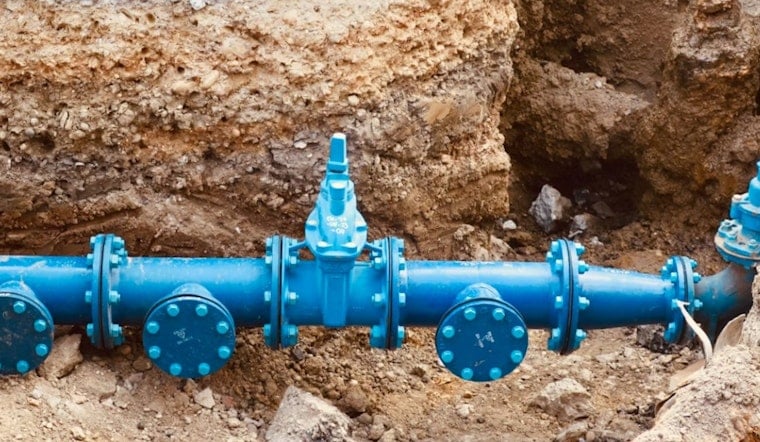
Hawaii is getting a $27.5 million boost from the Environmental Protection Agency to hunt down and remove lead pipes that still carry drinking water into homes across the islands. The money can fund everything from basic service-line inventories to full pipe replacements and is part of a nationwide push to cut lead exposure from the tap. Public health officials say that pulling out even a single lead service line can meaningfully reduce how much of the neurotoxin children are exposed to.
According to the U.S. EPA, Hawaii's $27.5 million slice comes out of nearly $2.9 billion the agency is sending to states through the Drinking Water State Revolving Fund to speed up lead service line replacement. "An investment in removing lead pipes is an investment in America’s children and families," EPA Assistant Administrator for Water Jess Kramer said in the agency's release.
Where the funding will go
As reported by Hawaii News Now, communities will be able to use the new dollars to track down, remove and replace lead service lines, covering work that ranges from building accurate pipe inventories and planning projects to actually swapping out the old lines. Local water systems and city or county agencies will set the priorities and schedules, while state and federal partners back them up with technical help and financing.
Why lead is a big deal
The EPA describes lead as a potent neurotoxin that can hurt children even at very low levels, causing behavior and learning problems, slowed growth and anemia. Per EPA guidance, there is no known safe blood lead level for kids, which is why getting lead service lines out of the ground is treated as a top public health priority.
The award will move through Hawaii’s Drinking Water State Revolving Fund, the state program that offers low-interest loans and other help for drinking water infrastructure projects, according to the Hawaii Department of Health. Projects will have to meet the program’s eligibility rules and application requirements and are ranked through the department's Intended Use Plan.
What residents can do now
Homeowners who are worried about lead are urged to call their local water utility and ask whether their service line is identified or still listed as unknown, look over the utility’s Consumer Confidence Report, and think about short-term protections like NSF-certified filters that remove lead. The Centers for Disease Control and Prevention also recommends blood lead testing for children who may have been exposed, and parents are advised to talk with their pediatrician or local health department about testing and next steps, per CDC guidance.
Federal officials say the $27.5 million is Hawaii’s share of a broader national allotment intended to jump-start replacements. Some outlets have highlighted a 1% minimum allocation floor that resulted in similar $27.5 million figures for many states, as described in WaterWorld's reporting on the FY2026 allotments. For details on exactly where the money will land in Hawaii, residents will have to watch for future announcements from the Hawaii Department of Health and local water utilities.



