

























































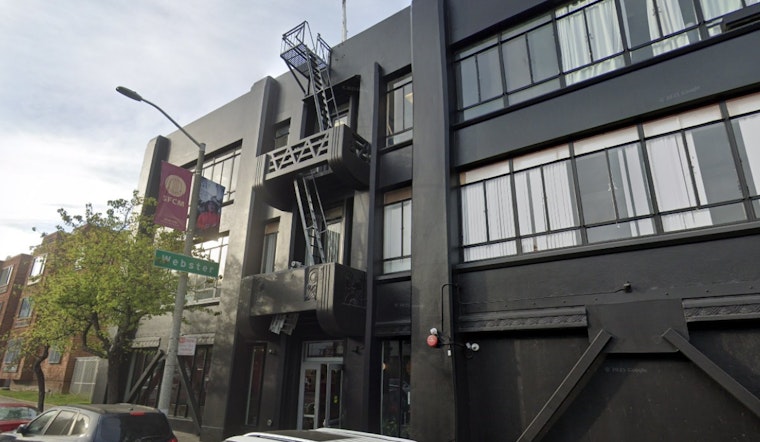
The African American Art & Culture Complex, the Fillmore’s longtime cultural anchor at 762 Fulton Street, has tapped a hometown son to take the reins just as the building heads into its most fragile chapter in years. Dr. Murrell D. Green, a Fillmore native with decades of experience in education and community leadership, has been named the new executive director as the center faces a city audit and a looming seismic retrofit. The appointment arrives as the complex prepares to pause operations for major safety work that will move its programming into temporary spaces.
New leader returns to Fillmore roots
AAACC's board selected Dr. Green after a six-month, community-centered search that drew more than 300 applicants, the organization said. In a press release via AAACC, board president Ayo Suber praised Green’s vision, experience and deep relationships, and Green said he returns in service to a community that poured into me.
Audit, leadership changes and funding
City scrutiny has followed the center since the co-executive directors, twin sisters Melonie and Melorra Green, resigned last summer amid an audit into the organization’s finances. The Arts Commission requested the audit and has provided a majority of roughly $11 million that the AAACC received since the start of the pandemic. The center is expected to shutter for mandatory seismic work and remain closed for at least 18 months, and Green is expected to start on July 6, 2026, according to the San Francisco Chronicle.
Renovation timeline and what’s at stake
According to AAACC, the center occupies roughly 32,000 square feet in a former brewery and includes the 206-seat Buriel Clay Theater and multiple galleries. The organization said seismic renovations will begin in January 2027. The board said the work will require a temporary closure but emphasized a plan to reopen stronger and safeguard the center’s role in the Fillmore.
Neighborhood moves and city support
City officials and neighborhood stakeholders have pushed concurrent efforts to reactivate other Fillmore cultural sites, moves that advocates say could help maintain programming while AAACC is offline. The San Francisco Chronicle reported this month that city departments are working to reopen the Fillmore Heritage Center and the Ella Hill Hutch community center as part of a broader strategy to stabilize Black cultural spaces in the Western Addition.
Green, who previously worked at AAACC as an office manager and youth leader and has served as a college dean and elected trustee, is due to take up the post in July, according to the center and news reports. His first priorities, board members say, will be securing temporary venues and shoring up donor and city relationships so the center can continue serving artists and neighbors while the building is offline. Community groups and neighborhood leaders say they will be watching closely as the Fillmore’s cultural anchor navigates the audit and the retrofit ahead.




