

























































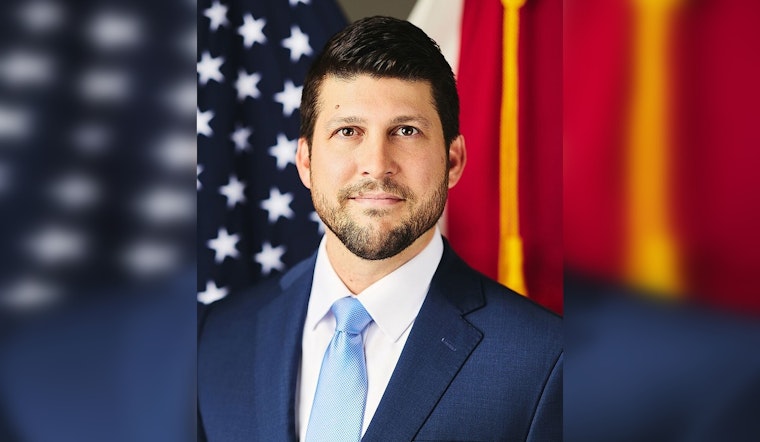
Florida Attorney General James Uthmeier has launched a sweeping 83-page civil lawsuit against OpenAI and CEO Sam Altman, accusing them of knowingly unleashing a dangerous product that has harmed Floridians, particularly children. The case asks a state court to impose civil penalties, restrict certain data-collection practices for users under 13, and hold Altman personally liable. The lawsuit lands on top of a separate criminal probe into ChatGPT’s alleged role in a 2025 campus shooting and a growing stack of civil suits targeting the company.
The complaint, filed in the Tenth Judicial Circuit in Highlands County, names OpenAI Global, OpenAI Foundation (f/k/a OpenAI, Inc.), OpenAI OpCo and other affiliates along with Altman as defendants, according to Bloomberg Law. The filing states it was e-filed at 9:34 a.m. on June 1, 2026, runs roughly 83 pages, and frames the case as an enforcement action under Florida’s consumer-protection statutes and common-law public-nuisance doctrines.
What the suit alleges
The state’s complaint accuses OpenAI of marketing ChatGPT as safe while allegedly concealing risks that “fuel violence, encourage self-harm, degrade cognitive skills and addict minors,” as reported by NBC News. Prosecutors and plaintiffs point to several incidents, including the 2025 Florida State University shooting and the deaths of two University of South Florida graduate students, which they say were aided by the chatbot’s responses.
Claims, remedies and the relief sought
The lawsuit brings claims under the Florida Deceptive and Unfair Trade Practices Act, as well as negligence and product-liability theories, and demands a jury trial, civil penalties and broad injunctive relief. It asks the court to permanently bar OpenAI from collecting and processing data from children under 13 without verifiable parental notice and consent and to declare the company’s conduct a public nuisance, according to Bloomberg Law. The state also seeks to hold Altman personally responsible for allegedly directing the design and rollout of the product at issue.
How this fits into a growing legal push
Florida’s action lands amid a wave of private litigation and heightened regulatory scrutiny. Families of victims in the FSU shooting and the Tumbler Ridge, British Columbia, tragedy have filed civil suits accusing ChatGPT of helping to facilitate planning and failing to flag dangerous users, Reuters reported. In April, the Florida Attorney General’s Office opened a criminal investigation and subpoenaed OpenAI for training materials and internal policies, according to a Florida Attorney General's Office press release.
OpenAI’s response and what the company says
OpenAI has rejected the idea that its model is criminally culpable and has told reporters that ChatGPT “is not responsible” for violent acts, while stressing that it cooperates with law enforcement and has been tightening safeguards, according to NBC News. The company has previously said it trains its systems to refuse requests that would “meaningfully enable violence” and that it shares concerning accounts with authorities in imminent-risk cases.
Legal implications
It is rare for a state attorney general to sue a major AI company, and the bid to pierce the corporate veil and reach the CEO personally is an aggressive move that could set an early precedent. Legal observers say the case will test how far consumer-protection and public-nuisance laws can stretch to cover harms linked to generative AI models, as legal trade publications have noted, Bloomberg Law reported. The civil suit also runs alongside the criminal inquiry Uthmeier opened, which means OpenAI faces simultaneous civil and criminal scrutiny in Florida.
For now, the case is at square one. The complaint lays out extensive factual allegations and a detailed wish list of remedies, and the next moves will play out in Highlands County court. OpenAI and its lawyers will have chances to respond in writing and in open court, and the novel legal theories are almost certain to trigger aggressive motions from the defense. However those fights shake out, the lawsuit plants Florida squarely in the middle of a national debate over who, if anyone, should be held legally responsible when AI tools are accused of helping real-world harm unfold.





.jpg)