

























































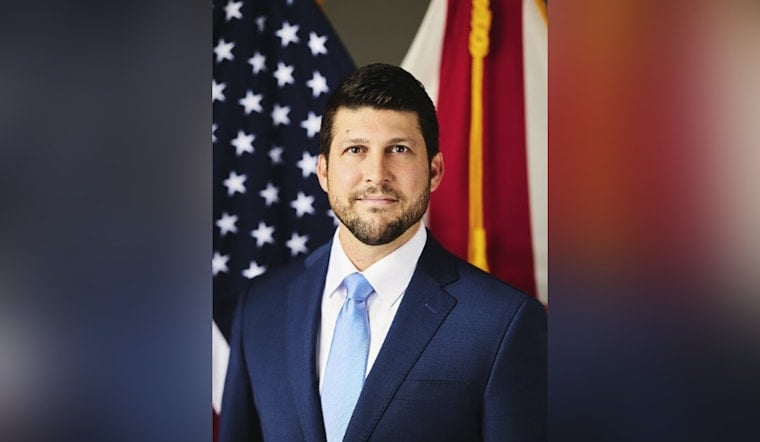
Florida Attorney General James Uthmeier has told local school boards they cannot simply say no when parents want their kids leaving campus during the school day for private religious instruction. In a new advisory opinion issued Tuesday, Uthmeier says districts must accommodate “release time” programs and give parents reasonable flexibility on attendance and scheduling, while leaving transportation, funding and actual instruction entirely in the hands of outside religious providers. The memo is expected to trigger a wave of requests from parents and faith-based groups at school board meetings around the state.
What the opinion requires
Uthmeier writes that “School boards have a duty to respect the rights of parents to direct the religious upbringing of their children,” and that districts cannot rely on blanket, across-the-board denials when parents seek excused absences for off-campus religious classes. According to MyFox28 Columbus, the opinion stresses that any release-time program has to be privately operated, voluntary, held off school grounds and structured so it does not interfere with normal school operations. The memo also underscores that districts are not on the hook for buses, insurance premiums or tuition for those programs.
Legal basis and rules
To back up his reading, Uthmeier leans on Florida law, in particular Section 1003.21, which requires district school boards to adopt policies authorizing parental requests for absences for religious instruction, and on a State Board of Education rule that explains how districts that permit release time must handle attendance, liability and make-up work. Under Florida Statutes Section 1003.21 and Rule 6A-1.09514, local policies are expected to spell out procedures for attendance reporting, insurance or indemnity coverage and a process for parents to challenge any decision if permission is revoked. Uthmeier treats the statute’s “shall adopt” language as a clear obligation for boards, not a suggestion they can ignore when things get politically messy.
Why now and the wider trend
The opinion lands at a moment when released-time programs are having a national growth spurt. Faith-based organizations that run weekly, off-campus religious classes have been lobbying hard, and lawmakers in some states have pushed bills that require districts to put formal release-time policies on the books. As Space Coast Rocket notes, LifeWise-style programs have been expanding into multiple states under this model. The practice traces back to the U.S. Supreme Court’s 1952 decision in Zorach v. Clauson, which allowed release time as long as the instruction is voluntary, privately funded and held off school property, according to the Legal Information Institute.
Legal pushback and what is next
Civil-liberties organizations are already lining up on the other side, warning that Uthmeier’s broad, mandatory reading of the law could invite courtroom fights over church-state separation. The Freedom From Religion Foundation sent an April letter to the Attorney General objecting to a different opinion that, in its view, weakens Florida’s constitutional “no-aid” clause and warns that this new release-time guidance raises similar problems, per FFRF. Reporters have also pointed out that the Attorney General’s office issued a separate opinion in April arguing that Florida laws barring public funds for religious institutions are likely unconstitutional, which has only sharpened scrutiny of his latest move, according to WLRN.
What to watch
Local school boards now find themselves in the hot seat. They can rewrite attendance policies to build in formal release-time procedures, craft indemnity and insurance rules for outside religious providers or dig in and risk legal challenges from parents and program operators. District lawyers and superintendents will be weighing whether to expand their excused-absence rules into the more detailed frameworks the State Board’s rule anticipates. Expect administrative appeals and, quite possibly, court battles in the coming months as districts juggle parental demands, instructional time and liability concerns, all while trying not to end up as the next test case in a statewide church-state showdown.




