

























































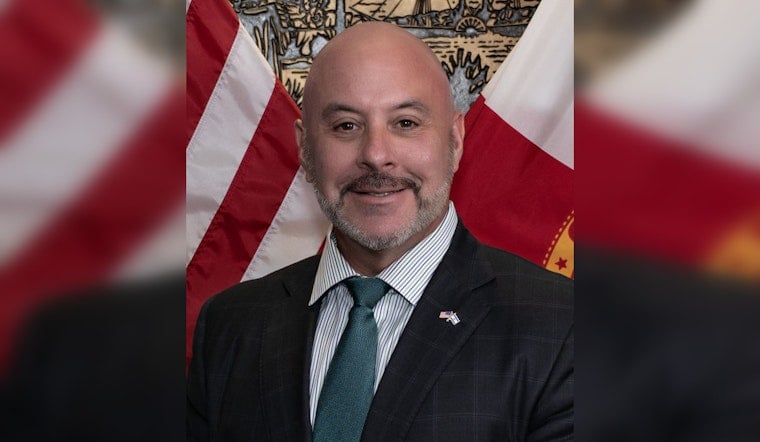
Florida Chief Financial Officer Blaise Ingoglia is putting Miami-Dade’s budget under a very bright spotlight, saying his office has found more than $470 million in what he calls “excessive, wasteful” spending in the county’s 2025-26 plan. He is pushing local leaders to cut back and use the savings to ease the tax load on homeowners, while insisting core services like police and fire stay off the chopping block.
At an event in Miami, Ingoglia rolled out the $470 million figure and urged county commissioners to approve a 0.83-mill reduction in the property-tax rate. His team argues that change could return several hundred dollars a year to typical homeowners without touching fundamental services, according to the Tampa Free Press.
How the State Decides What Counts as ‘Excess’
The number comes from the Florida Agency for Fiscal Oversight, or FAFO, which is the budget review arm under the CFO. To size up what it labels “excess,” FAFO takes a city or county’s 2019-20 general-fund budget, adjusts that figure for population growth and inflation, then compares the result to the latest budget. The difference between that indexed baseline and the current spending level is what gets tagged as excess in the statewide Florida DOGE report. As explained in the Florida DOGE report, that is the method Ingoglia’s office is using as it tours the state calling out local budgets.
County Pushback and Political Stakes
Miami-Dade officials have not exactly been shy about their disagreements with these state reviews. County leaders say recent budget growth reflects investments in services and resilience, and they point to efforts to trim tax rates in recent years. Mayor Daniella Levine Cava has defended her administration’s handling of the books and described the county as transparent and responsible, according to WLRN.
Ingoglia, for his part, has linked the Miami-Dade findings to a broader push for property-tax reforms at the state level, a political strategy detailed by WUSF. That turns what might sound like a dry accounting exercise into live ammunition for a larger fight over how much Floridians should be paying in local taxes.
What Homeowners Would Actually See
So what does a 0.83-mill cut mean on a typical tax bill? According to calculations by the Tampa Free Press, a homeowner with a taxable value of $500,000 would save about $413 a year, with higher-valued homes seeing proportionally larger breaks.
This is not the first time Ingoglia has singled out Miami-Dade. His office previously flagged about $302 million in alleged excess in the county’s general fund during an October 30, 2025 review, according to a press release from the CFO’s office. That earlier round of scrutiny set the stage for the latest, larger number now being used in public arguments over the budget.
Where it goes from here is as much politics as math. FAFO’s findings will be front and center at Miami-Dade’s budget hearings and will spill into the wider statewide debate over property-tax relief. The Florida DOGE report notes that the DOGE and FAFO review authority is scheduled to sunset on July 1, 2026, so the state’s figures are likely to be quoted heavily through the summer and into the November ballot fight over tax changes.
In the meantime, the report urges local officials to kick off budget season by drawing a line between core services and programs that could be scaled back. That simple question, about what is truly essential and what is not, is set to shape the talking points for both Ingoglia’s critics and his allies in the weeks ahead.





.jpg)